 Business License

GPC Recarburizer: Why Graphitization — Not Just Fixed Carbon — Decides Your Casting Quality
Two carbon raisers can both read "98% fixed carbon" and behave nothing alike in the furnace. The difference is how the carbon was made. Graphitized petroleum coke (GPC) is calcined petroleum coke taken to 2,500–3,000 °C in an Acheson furnace for 40–60 hours — hot enough to rearrange the carbon atoms into ordered hexagonal graphite crystals. That single process step is what buys you fast dissolution, high carbon recovery, and low sulfur, nitrogen and ash.
Here is what that means on the foundry floor.
1. What GPC actually is
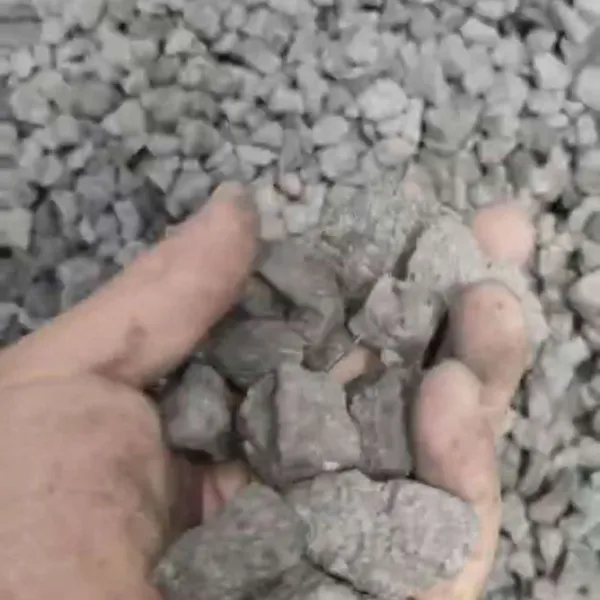
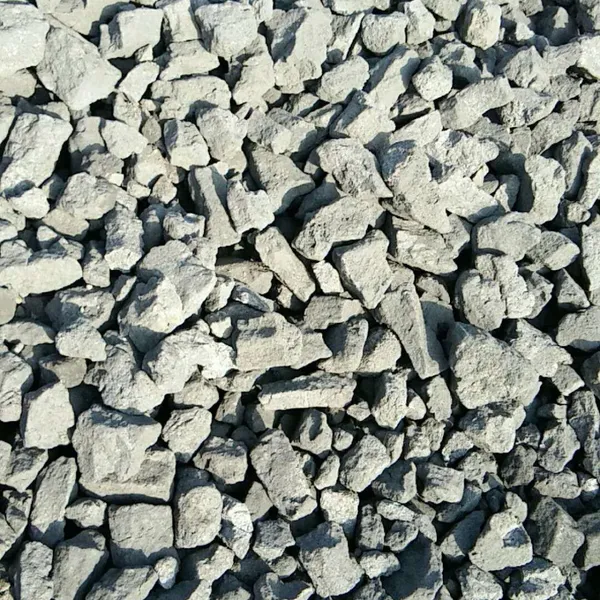
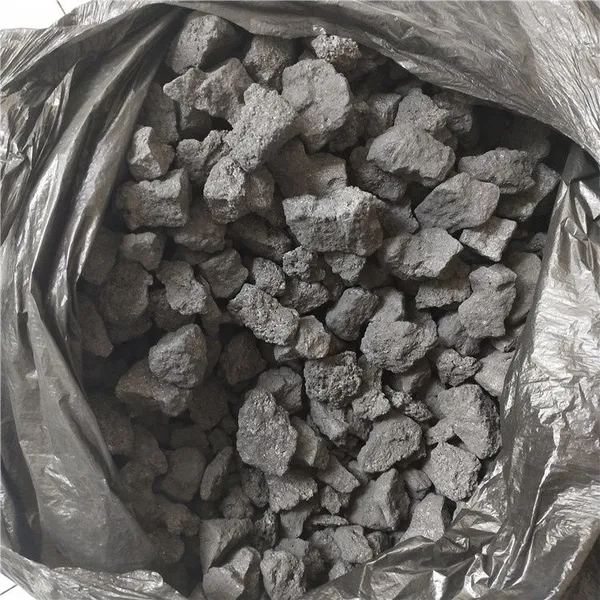
Petroleum coke that has been fully graphitized. Industry specifications put the graphitization degree at 93% or above, with a characteristic hexagonal layered crystal structure. Because graphitization drives off sulfur and nitrogen and destroys most ash-forming impurities, GPC sits at the top of the recarburizer hierarchy — above calcined anthracite, above calcined petroleum coke, and above semi-graphitized grades. It is also known in the trade as artificial graphite, synthetic graphite or graphite granules.
2. Our specification
| Fixed Carbon (C) | ≥ 98.5% min |
| Sulfur (S) | ≤ 0.03% – 0.05% max |
| Ash | ≤ 0.5% max |
| Nitrogen (N) | ≤ 300 ppm |
| Absorption Rate | 90 – 95% |
Typical analysis: C ≥ 98.5% · S ≤ 0.03%/0.05% · Ash ≤ 0.5% · N ≤ 300 ppm.
3. Why each number matters
① Fixed carbon ≥98.5%. More carbon per tonne means less material to buy and less slag to handle. Below roughly 95%, carbon recovery becomes unstable and impurity content rises — the usual source of gas porosity and hard spots.
② Sulfur ≤0.03–0.05%. For ductile iron this is not optional. Sulfur reacts with magnesium and rare-earth nodularizers, consuming them before they can do their job — the result is spheroidal degeneration and lost nodularity. Low sulfur protects both your nodule count and your alloy addition cost. In gray iron, sulfur promotes chill (white iron) and hurts fluidity in thin sections.
③ Ash ≤0.5%. Ash is inert material that becomes slag. The lower it is, the less heat is wasted, the less slag volume you generate, and the lower the risk of slag inclusion defects.
④ Nitrogen ≤300 ppm. Nitrogen is the quiet defect-maker. Above roughly 140 ppm in the melt, the risk of nitrogen pinholes climbs sharply — and thick-walled castings are the most sensitive. Low-nitrogen GPC is what makes it safe in ductile iron and in castings that must hold pressure.
⑤ Absorption rate 90–95%. This is the number that decides your real cost. A recarburizer at 0.9 absorption means you are buying carbon you never get back. GPC's rapid, stable dissolution is why it wins on cost per recovered carbon even at a higher price per tonne.
4. Where GPC is used
Ductile (nodular) iron — the primary application. Low sulfur and low nitrogen protect nodularity and suppress pinholes; ideal for crankshafts, camshafts and other high-end ductile castings. Published data indicate graphitized raisers can raise ferrite content by 10–15% and increase graphite nodule count substantially in ductile iron.
High-grade gray iron — corrects carbon after a scrap-heavy charge, refines graphite, improves machinability and damping.
Special steel & EAF steelmaking — carbon adjustment in the ladle with minimal pickup of sulfur and nitrogen.
Precision and investment castings — where consistent chemistry and clean dissolution are worth more than the lowest price.
5. Three mistakes buyers make with GPC
Believing "98% fixed carbon" is the whole spec. Sulfur and nitrogen are what separate a good raiser from a scrapped heat. Ask for both, in ppm where applicable.
Buying on price per tonne instead of cost per recovered carbon. A cheaper product with ten points lower absorption is the more expensive one in practice.
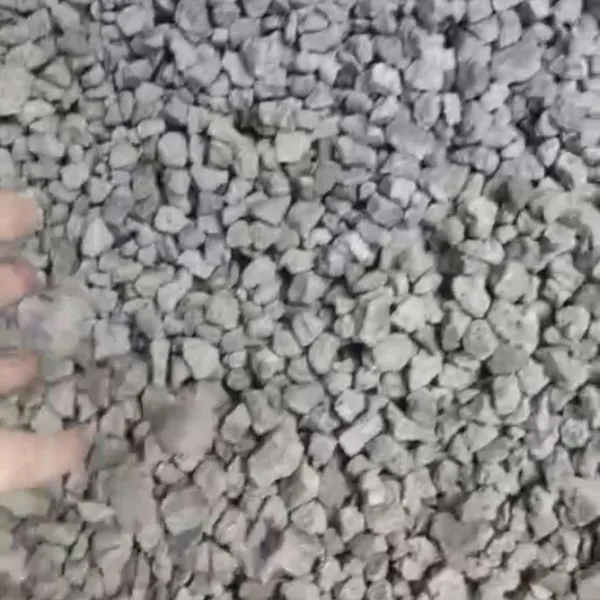
Overlooking particle size. Size must suit your furnace and where you add it in the charge — GPC is supplied in 1–5 mm, 0–1 mm and custom-screened fractions; choose by melting practice, not by habit.
6. The question worth asking your supplier
"What is the sulfur and nitrogen content, and how was the carbon recovery measured in my application?"
A supplier who can answer that is supplying graphite. One who only quotes fixed carbon is selling black powder.
The takeaway: with GPC, you are not buying carbon content — you are buying graphitization. Ordered graphite crystals give you fast dissolution, 90–95% recovery, and the low sulfur and nitrogen that ductile iron and high-grade gray iron demand. Specify C, S, N, ash and absorption; verify with a third-party certificate of analysis; then compare cost per recovered carbon, not price per tonne.
#GPC #GraphitizedPetroleumCoke #Recarburizer #CarbonRaiser #DuctileIron #GrayIron #Foundry #CastIron #SpecialSteel #EAF #Steelmaking #Metallurgy #SyntheticGraphite #ArtificialGraphite
Recently Posted
-
Carbon Anode Scrap: The High-Carbon Fuel and Feedstock Replacing Foundry Coke
November 2, 2026Carbon anode scrap — also called anode butt, anode remnant or carbon anode block — is one of the few industrial by-products that i Read More
-
How to Choose Coke for the Blast Furnace: The Criteria That Actually Move Your Coke Rate
October 29, 2026Coke is the one input a blast furnace cannot do without. Coal injection can replace much of its heat and reducing duty; scrap and Read More
-
How to Choose the Right Carbon Raiser: A Practical Guide for Foundries and Steelmakers
October 29, 2026Every foundry uses carbon raisers. Far fewer use the right one. The choice affects carbon recovery, sulfur and nitrogen pickup, s Read More
-
4 Sourcing Red Flags When Buying Semi Coke Internationally (And How to Avoid Them)
October 21, 2026IntroductionGlobal trade in semi coke has grown rapidly, driven by demand from smelters in Asia, Europe, and the Middle East. Howe Read More

Contact Us
Recommended Products
-
 Fixed Carbon 98.5% Carbon Anode Scrap Carbon ButtsUS$ 450MOQ: 20 Metric Tons
-
Low Phos Iinstead of Metallurgical Coke 10-30mm Semi Coke for Ferro AlloysUS$ 160MOQ: 20 Metric Tons
-
Low Sulfur Calcined Anthracite Coal Carbon Raiser FC90% 93% 95%US$ 250MOQ: 20 Metric Tons
-
High Strength Foundry Coke 80-150mm for Pig Iron Casting and CupolaUS$ 350MOQ: 20 Metric Tons
-
10-30mm Low Ash Metallurgical Coke for Steel Mills and Ferro AlloysUS$ 220MOQ: 20 Metric Tons
-
Premium Low Sulfur Foundry Coke for Ductile Iron Casting Operation Project Work UseNegotiableMOQ: 17 Metric Tons
-
Low Sulfur Carbon Raiser FC90% 95%US$ 250MOQ: 20 Metric Tons
-
Low Phos 10-30mm Semi Coke for Ferro Alloys Iinstead of Metallurgical CokeUS$ 160MOQ: 20 Metric Tons
-
25-40mm Low Ash Metallurgical Coke CSR 65+ for Steel MillsUS$ 220MOQ: 20 Metric Tons
-
High Carbon Low Sulfur Low Ash Met Coke Nut CokeUS$ 220MOQ: 20 Metric Tons
-
Metallurgical Nut Coke 10-30mm High CSR Low Sulfur for Blast FurnaceUS$ 240MOQ: 20 Metric Tons
-
88% Fixed Carbon Foundry Coke 80-120mm for Cupola FurnaceUS$ 350MOQ: 20 Metric Tons
-
High Strength Foundry Coke 80-150mm for Pig Iron Casting and CupolaUS$ 350MOQ: 20 Metric Tons
-
Carbon 88% Sulfur 0.035% Ash 10% Phosphorus 0.035% Calory 7100J for Pig Iron Hard Coke Casting Coke Foundry CokeUS$ 350MOQ: 20 Metric Tons
-
Fixed Carbon 88% Foundry Coke 80-150mmUS$ 350MOQ: 20 Metric Tons

-
Low Ash Good Price Metallurgical Coke Nut Blast Furnace Coke for SaleUS$ 240MOQ: 20 Metric Tons
-
Low Ash Metallurgical Coke 10-30mm Nut Coke 20-40mmUS$ 240MOQ: 20 Metric Tons
-
High Carbon Low Sulfur Low Ash Met Coke Nut CokeUS$ 220MOQ: 20 Metric Tons
-
Low Ash Metallurgical CokeUS$ 240MOQ: 20 Metric Tons
-
High Carbon Low Sulfur Met Coke Nut CokeUS$ 220MOQ: 20 Metric Tons