 Business License

How to Choose the Right Carbon Raiser: A Practical Guide for Foundries and Steelmakers
Every foundry uses carbon raisers. Far fewer use the right one. The choice affects carbon recovery, sulfur and nitrogen pickup, slag volume, scrap rate and — ultimately — your cost per ton of good casting. This guide walks through the four main commercial families, the six numbers that actually matter, and how to match grade to application.
1. Why the "black powder" is not interchangeable
A carbon raiser has two jobs: add carbon and promote graphitization (so carbon forms flake graphite in gray iron, or provides the carbon base for nodularizing in ductile iron). Two products with similar-looking specs can behave completely differently in the furnace, because what separates them is not just fixed carbon — it is how much sulfur, nitrogen and ash comes along with the carbon, and how much of that carbon actually dissolves into the melt rather than burning off.
2. The four commercial families
| Family | Feedstock & process | Fixed Carbon | Sulfur | Nitrogen | Ash |
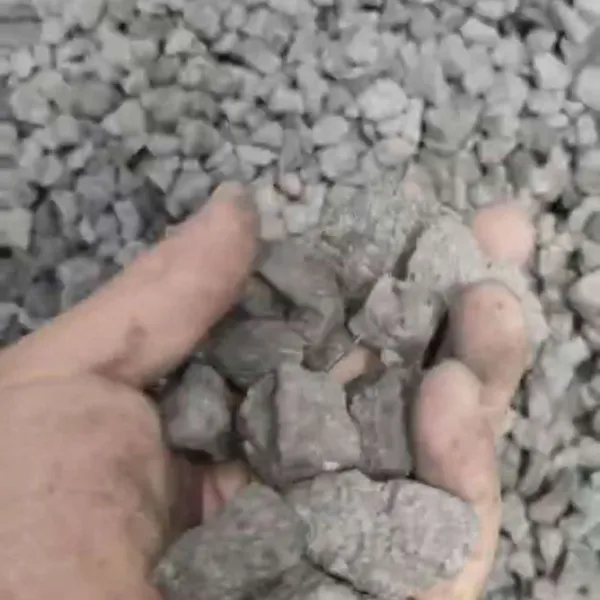
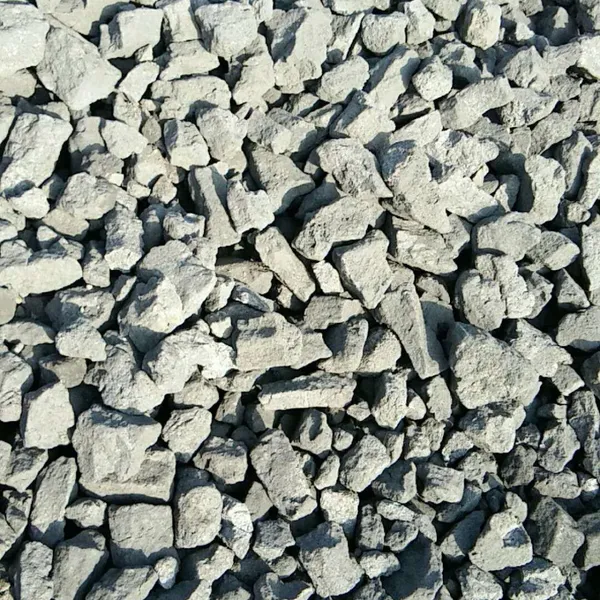
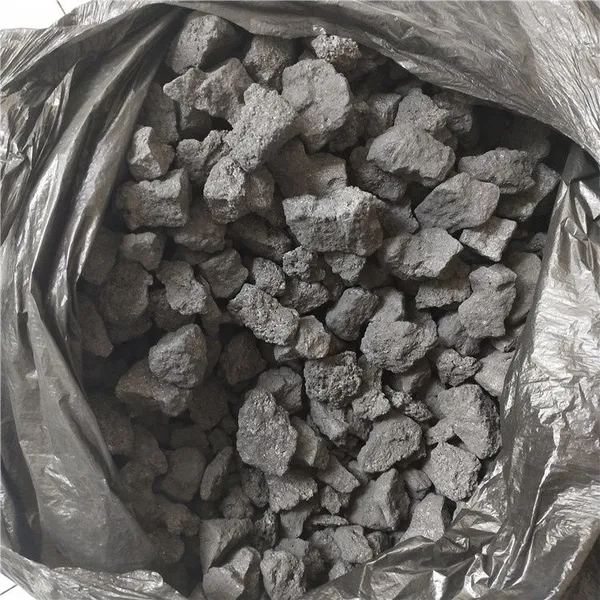
| Calcined anthracite (CAC / GCA / ECA) | Anthracite calcined ~1,200–1,500 °C in shaft or electric calciner | 85–95% (grades FC85–FC95) | ≤0.25–0.35% | ~0.3% | 4–13% (rises as FC falls) |
| Calcined petroleum coke (CPC) | Green coke calcined ~1,200–1,350 °C | ~98.5% | ≤0.5% | ≤0.03% | ≤0.5% |
| Semi-graphitized petroleum coke | CPC partially graphitized | ≥98% | ≤0.5% | low | ≤0.8% |
| Graphitized petroleum coke (GPC / synthetic graphite) | CPC graphitized at 2,500–3,000 °C in Acheson furnace, 40–72 h | 98.5–99.5% | ≤0.03–0.05% | ≤100–300 ppm | ≤0.35–0.8% |
The pattern is simple: the higher the processing temperature, the more the sulfur, nitrogen and ash are driven off and the more ordered the carbon crystal structure becomes. Graphitization rearranges the carbon into hexagonal graphite crystals — which is why GPC dissolves faster, recovers more carbon, and adds fewer harmful residuals than any calcined product.
3. The six numbers that decide everything
① Fixed carbon (FC). The carbon you are actually buying. Note that fixed carbon is a calculated value (100% minus moisture, ash, volatile matter and sulfur), whereas total carbon content is measured directly with a carbon–sulfur analyzer. Do not treat them as the same number.
② Sulfur (S). Sulfur promotes chill (white iron), retards graphitization and degrades fluidity — meaning you pay twice: once for the raiser, once for extra desulfurization. For ductile iron and thin-wall castings, S ≤0.05% is effectively mandatory; for ordinary gray iron, ≤0.3% is usually tolerable.
③ Nitrogen (N). A double-edged element. In gray iron, a moderate level (roughly 70–120 ppm in the melt) stabilizes pearlite and refines graphite. Above ~140 ppm, the risk of nitrogen pinholes rises sharply. High-purity graphitized grades typically sit at 100–200 ppm; ask for the test report rather than assuming.
④ Ash. Ash is inert material that becomes slag. Calcined anthracite at 13% ash versus graphitized coke at 0.5% ash is the difference between paying for carbon and paying for rock.
⑤ Particle size. Finer particles have larger surface area, dissolve faster — and burn off faster. Extremely fine fractions (below roughly 0.2 mm) are readily lost to the dust system or oxidized at the melt surface. 1–5 mm is the workhorse size for induction furnace practice; fine grades suit small furnaces and late additions, coarse grades suit large additions or big furnaces.
⑥ Absorption rate (carbon recovery). This is the number that actually determines cost per ton, and it is where cheap products lose. Under good practice, graphitized raisers commonly recover 90–95% of their carbon, while calcined and briquetted products run lower and far more variable — the same ladle of metal may recover 60% one heat and 88% the next.
4. Matching grade to application
| Application | What matters most | Recommended family |
| Ordinary gray iron | Cost per recovered carbon; absorption stability | Semi-graphitized or mid-grade GPC (S ≤0.05%, FC ≥98.5%) |
| Ductile / nodular iron | Ultra-low S and N to avoid spheroidal degeneration and pinholes | High-purity GPC (FC ≥99%, S ≤0.03%, N ≤100–150 ppm) |
| Precision & thin-wall castings | Purity, low ash, consistent carbon, resistance to chill | High-purity GPC, tight particle-size control |
| Steelmaking / ladle additions | Cost, sufficient FC, sulfur control | Calcined anthracite (FC85–FC95) or calcined petroleum coke |
| Synthetic cast iron (high scrap charge) | High, predictable absorption | Graphitized or semi-graphitized petroleum coke |
5. Five mistakes that cost real money
Buying on fixed carbon alone. A 98% product with 0.5% sulfur can be a worse purchase than a 97% product with 0.03%.
Ignoring nitrogen. Nothing reveals the true cost of a high-nitrogen raiser faster than a batch of scrapped castings with pinholes.
Choosing particle size by habit rather than by furnace. Size should follow furnace tonnage, melting rate and where in the charge the material is added.
Quoting a price per ton instead of a cost per recovered carbon. A cheaper raiser with 15 points lower absorption is more expensive in practice.
Accepting specs without a third-party test report. Fixed carbon, sulfur, nitrogen, ash and moisture should be verified per batch.
6. What to put in your purchase specification
At minimum, specify: fixed carbon (min), sulfur (max), nitrogen (max, in ppm), ash (max), volatile matter, moisture, particle size distribution, and the test standard used. For reference, the relevant Chinese standards include YB/T 192-2015 (carbon raiser for steelmaking, graded FC85–FC99), JB/T 14236-2023 (carbon raiser for foundry use) and YB/T 4403-2014 (graphitized carbon raiser), with nitrogen determined per YB/T 6261-2024. Purchase on a verified certificate of analysis, and run a trial heat before committing to a bulk order.
Frequently Asked Questions
What is the difference between calcined anthracite and graphitized petroleum coke?
Both are carbon raisers, but they sit at opposite ends of the processing spectrum: calcined anthracite is anthracite heated to roughly 1,200–1,500 °C (FC 85–95%, sulfur up to ~0.3%), while graphitized petroleum coke is petroleum coke treated at 2,500–3,000 °C (FC 98.5–99.5%, sulfur ≤0.05%, nitrogen ≤100–300 ppm). The graphitized product costs more per ton but typically recovers more carbon and introduces far fewer sulfur and nitrogen residuals.
Can I use a cheap carbon raiser for ductile iron?
Not safely. Ductile iron is sensitive to both sulfur and nitrogen: elevated sulfur accelerates spheroidal degeneration, and nitrogen above roughly 140 ppm in the melt risks gas porosity. Use an ultra-low-sulfur, low-nitrogen graphitized grade.
Is higher fixed carbon always better?
Higher FC is generally better, but it is only one of six variables. A product with 99% FC and high nitrogen will still cause defects. Read the full specification, not one number.
How do I confirm quality before a bulk order?
Request a certificate of analysis covering FC, sulfur, nitrogen, ash, volatile matter and moisture, confirm the test standards used, and run a small trial heat to verify absorption rate against your own process.
The takeaway: carbon raisers are not a commodity to be bought on price per ton. Specify the six variables, match the grade to the metallurgy, and measure cost per recovered carbon — that is where the savings actually live.
#CarbonRaiser #Recarburizer #Foundry #DuctileIron #GrayIron #CastIron #Steelmaking #GraphitizedPetroleumCoke #GPC #CalcinedAnthracite #Metallurgy #InvestmentCasting #FoundryEngineering #CarbonAdditive
Recently Posted
-
GPC Recarburizer: Why Graphitization — Not Just Fixed Carbon — Decides Your Casting Quality
November 3, 2026Two carbon raisers can both read "98% fixed carbon" and behave nothing alike in the furnace. The difference is how the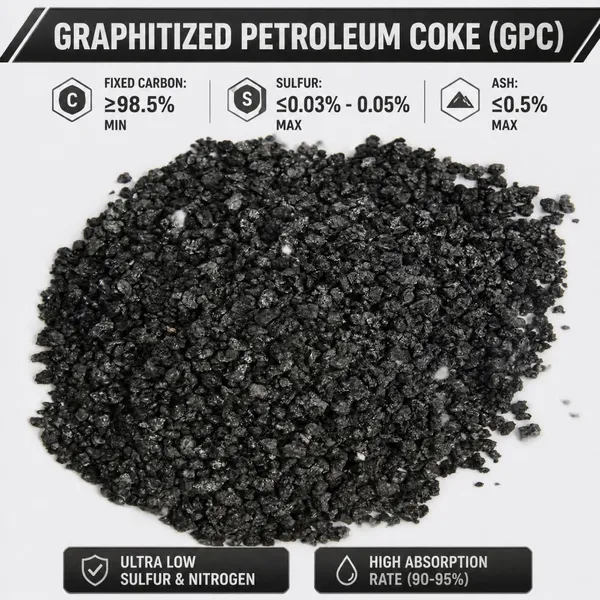 Read More
-
Carbon Anode Scrap: The High-Carbon Fuel and Feedstock Replacing Foundry Coke
November 2, 2026Carbon anode scrap — also called anode butt, anode remnant or carbon anode block — is one of the few industrial by-products that i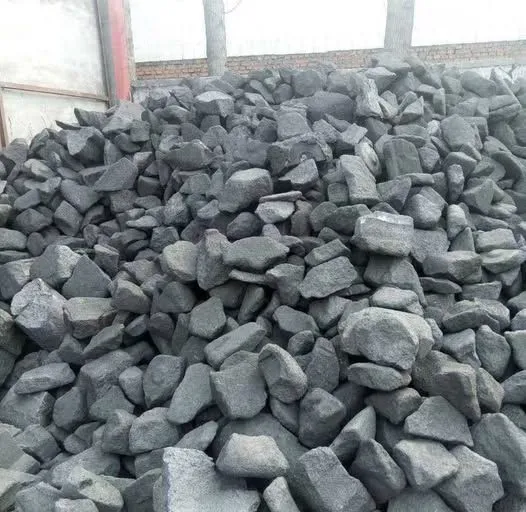 Read More
-
How to Choose Coke for the Blast Furnace: The Criteria That Actually Move Your Coke Rate
October 29, 2026Coke is the one input a blast furnace cannot do without. Coal injection can replace much of its heat and reducing duty; scrap and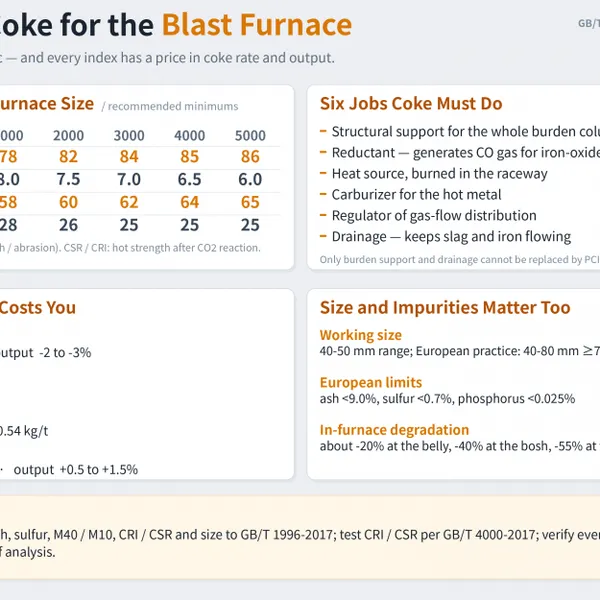 Read More
-
4 Sourcing Red Flags When Buying Semi Coke Internationally (And How to Avoid Them)
October 21, 2026IntroductionGlobal trade in semi coke has grown rapidly, driven by demand from smelters in Asia, Europe, and the Middle East. Howe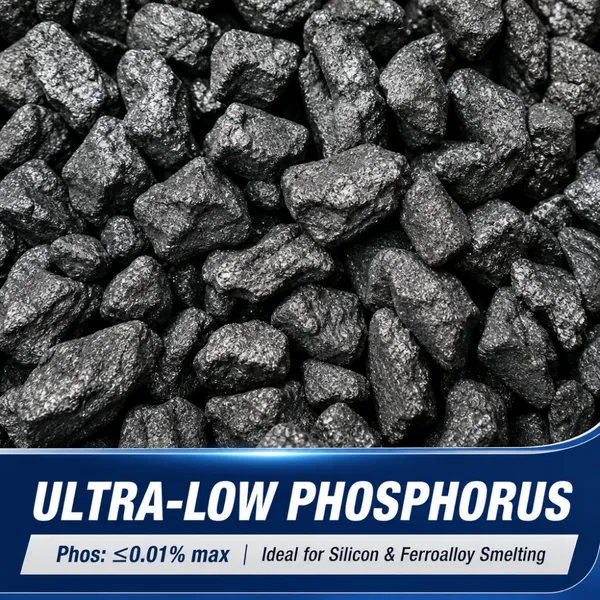 Read More

Contact Us
Recommended Products
-
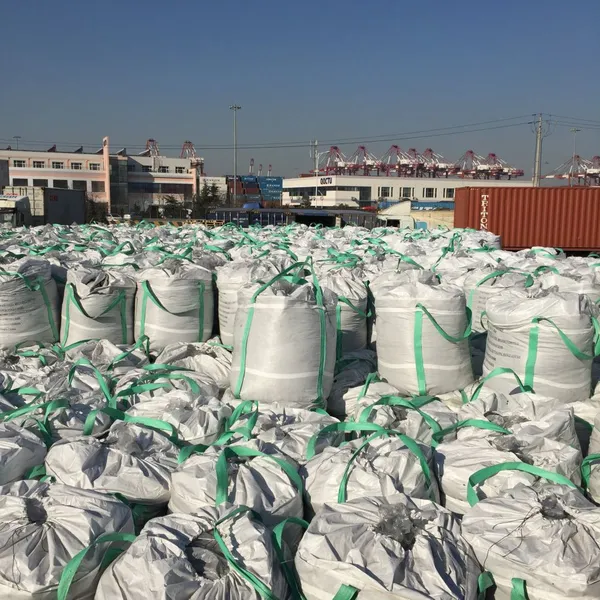
 Fixed Carbon 98.5% Carbon Anode Scrap Carbon ButtsUS$ 450MOQ: 20 Metric Tons
-
Low Phos Iinstead of Metallurgical Coke 10-30mm Semi Coke for Ferro AlloysUS$ 160MOQ: 20 Metric Tons
-
Low Sulfur Calcined Anthracite Coal Carbon Raiser FC90% 93% 95%US$ 250MOQ: 20 Metric Tons
-
High Strength Foundry Coke 80-150mm for Pig Iron Casting and CupolaUS$ 350MOQ: 20 Metric Tons
-
10-30mm Low Ash Metallurgical Coke for Steel Mills and Ferro AlloysUS$ 220MOQ: 20 Metric Tons
-
Premium Low Sulfur Foundry Coke for Ductile Iron Casting Operation Project Work UseNegotiableMOQ: 17 Metric Tons
-
Low Sulfur Carbon Raiser FC90% 95%US$ 250MOQ: 20 Metric Tons
-
Low Phos 10-30mm Semi Coke for Ferro Alloys Iinstead of Metallurgical CokeUS$ 160MOQ: 20 Metric Tons
-
25-40mm Low Ash Metallurgical Coke CSR 65+ for Steel MillsUS$ 220MOQ: 20 Metric Tons
-
High Carbon Low Sulfur Low Ash Met Coke Nut CokeUS$ 220MOQ: 20 Metric Tons
-
Metallurgical Nut Coke 10-30mm High CSR Low Sulfur for Blast FurnaceUS$ 240MOQ: 20 Metric Tons
-
88% Fixed Carbon Foundry Coke 80-120mm for Cupola FurnaceUS$ 350MOQ: 20 Metric Tons
-
High Strength Foundry Coke 80-150mm for Pig Iron Casting and CupolaUS$ 350MOQ: 20 Metric Tons
-
Carbon 88% Sulfur 0.035% Ash 10% Phosphorus 0.035% Calory 7100J for Pig Iron Hard Coke Casting Coke Foundry CokeUS$ 350MOQ: 20 Metric Tons
-
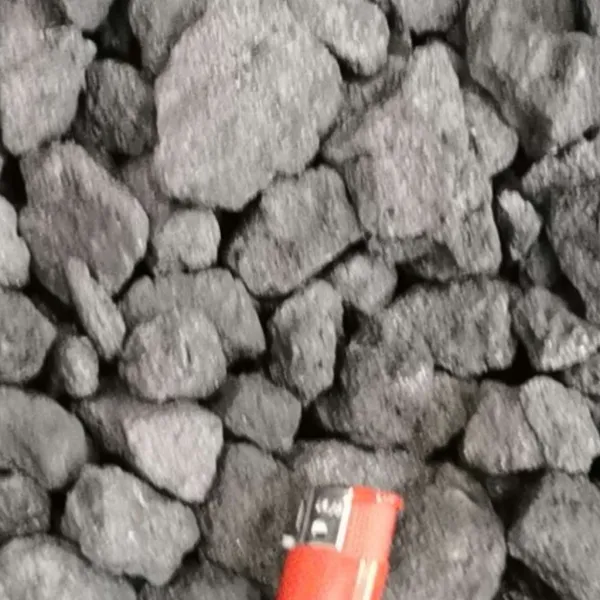
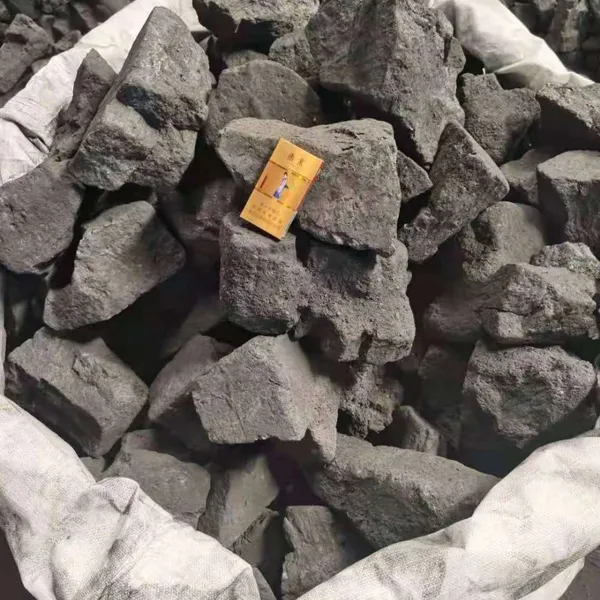
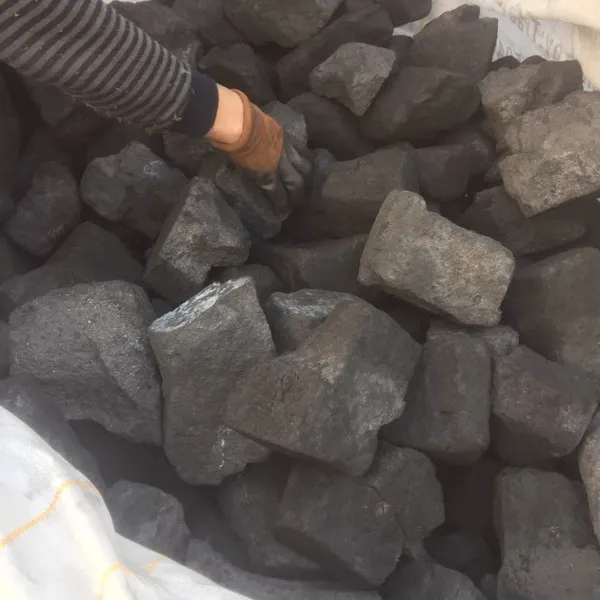
Fixed Carbon 88% Foundry Coke 80-150mmUS$ 350MOQ: 20 Metric Tons

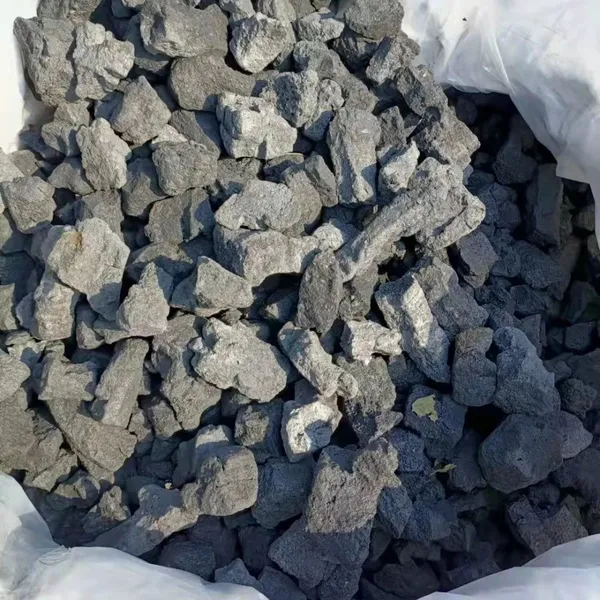
-
Low Ash Good Price Metallurgical Coke Nut Blast Furnace Coke for SaleUS$ 240MOQ: 20 Metric Tons
-
Low Ash Metallurgical Coke 10-30mm Nut Coke 20-40mmUS$ 240MOQ: 20 Metric Tons
-
High Carbon Low Sulfur Low Ash Met Coke Nut CokeUS$ 220MOQ: 20 Metric Tons
-
Low Ash Metallurgical CokeUS$ 240MOQ: 20 Metric Tons
-
High Carbon Low Sulfur Met Coke Nut CokeUS$ 220MOQ: 20 Metric Tons