 Business License

4 Sourcing Red Flags When Buying Semi Coke Internationally (And How to Avoid Them)
Introduction
Global trade in semi coke has grown rapidly, driven by demand from smelters in Asia, Europe, and the Middle East. However, buying semi coke overseas presents challenges: volatile moisture levels, degradation during sea transit, and inconsistent sizing.
This guide highlights the four most common procurement pitfalls and explains how experienced buyers protect their shipments.
Red Flag 1: High Moisture Content Discrepancies (Moisture Fraud)
The Problem: Semi coke is porous and easily absorbs water. Unscrupulous suppliers wet the cargo prior to port weighing to artificially increase billing weight, leading to moisture content exceeding 20%.
The Fix: Contractually specify Dry Basis Weight Settlement or stipulate a strict moisture deduction clause (e.g., 1:1 price deduction for every 1% moisture above the 15% baseline).
Red Flag 2: Excessive Fines (<3mm) at Discharge Port
The Problem: Semi coke has lower mechanical shatter strength than metallurgical coke. Multiple transfers (rail to port, port to ship hold, ship to truck) generate excessive fines that clog furnace air passages.
The Fix: Insist on Pre-shipment Re-screening at the port loading facility. Require an SGS/CCIC/BV or other 3rd mechanical sampling test showing fines (<3mm or <5mm) do not exceed 5% at ship's rail. if the supplier with ISO cetificate,this will be the best .
Red Flag 3: Inconsistent Volatile Matter (Under-calcined Fuel)
The Problem: If the retorting temperature was too low or residence time too short, volatile matter will exceed 12%. This creates explosive gas build-up in furnace feeding systems.
The Fix: Ensure volatile matter (Vdaf) stays strictly within the 6% – 10% window on your COA.
Red Flag 4: Unverified Origin & Supply Chain Disruption
The Problem: Traders without captive production plants often mix batches from different small vertical retorts, resulting in wildly inconsistent chemical parameters across holds.
The Fix: Partner directly with integrated manufacturers owning dedicated coal wash plants, vertical retorts, and port screening yards.
Summary
Protecting your business requires clear contract specifications, independent third-party port inspections (SGS/BV), and working with transparent, experienced exporters.
Hebei coke technology development co.,ltd .
Recently Posted
-
Primary Industrial Applications and Uses of Semi Coke
October 20, 2026IntroductionElectrical power represents up to 40% of the total production cost in ferrosilicon (FeSi) and calcium carbide (CaC₂) p Read More
-
What is Semi Coke? Definition, Production Process, and Core Properties
October 16, 2026The Science of Semi Coke: How Low-Temperature Carbonization Creates a Superior Smelting CarbonIntroductionIn the global drive towa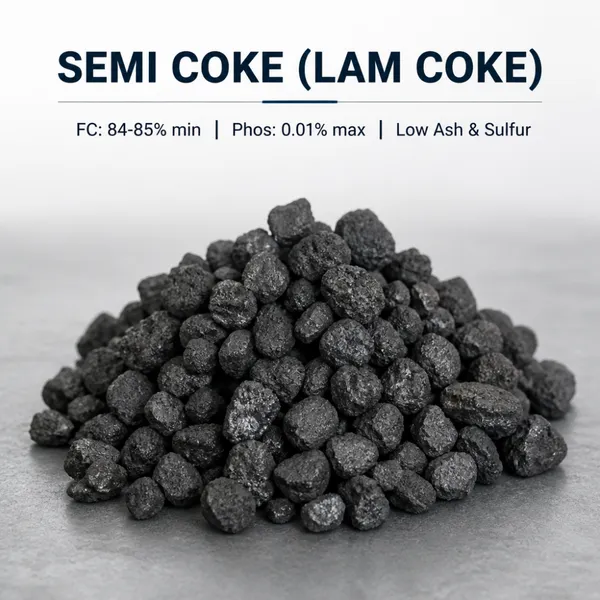 Read More
-
Foundry Coke vs Metallurgical Coke: What Is the Difference?
October 16, 2026IntroductionWhile both materials originate from the high-temperature pyrolysis of coking coal in byproduct coke ovens, Foundry Cok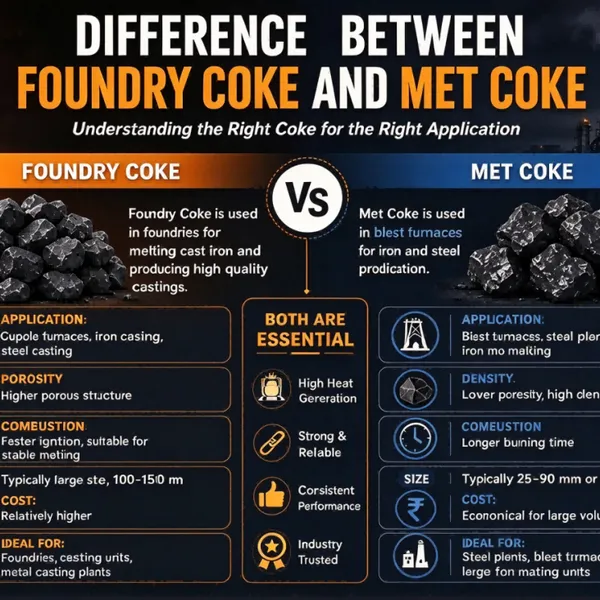 Read More
-
Understanding CSR and CRI in Foundry Coke: Thermochemical Reactions Inside the Cupola
October 16, 2026Foundry coke evaluation requires distinguishing between cold mechanical strength (M40 / M10) and hot thermochemical strength (CSR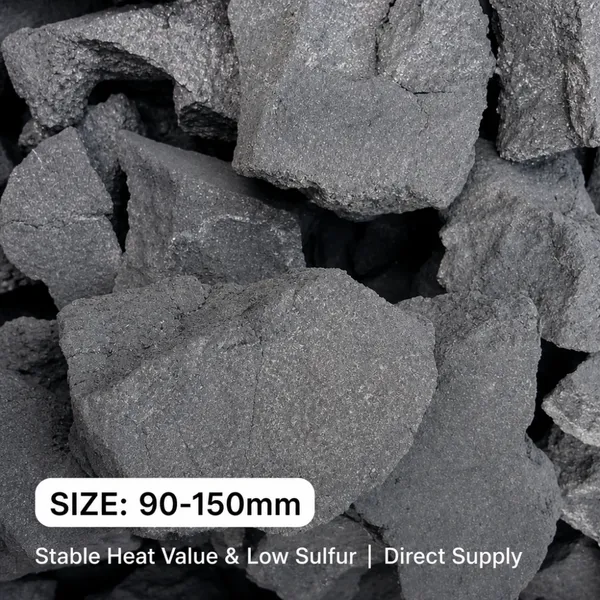 Read More

Contact Us
Recommended Products
-
 Low Phos Iinstead of Metallurgical Coke 10-30mm Semi Coke for Ferro AlloysUS$ 160MOQ: 20 Metric Tons
-
Low Sulfur Calcined Anthracite Coal Carbon Raiser FC90% 93% 95%US$ 250MOQ: 20 Metric Tons
-
High Strength Foundry Coke 80-150mm for Pig Iron Casting and CupolaUS$ 350MOQ: 20 Metric Tons
-
10-30mm Low Ash Metallurgical Coke for Steel Mills and Ferro AlloysUS$ 220MOQ: 20 Metric Tons
-
Premium Low Sulfur Foundry Coke for Ductile Iron Casting Operation Project Work UseNegotiableMOQ: 17 Metric Tons
-
Low Sulfur Carbon Raiser FC90% 95%US$ 250MOQ: 20 Metric Tons
-
Low Phos 10-30mm Semi Coke for Ferro Alloys Iinstead of Metallurgical CokeUS$ 160MOQ: 20 Metric Tons
-
25-40mm Low Ash Metallurgical Coke CSR 65+ for Steel MillsUS$ 220MOQ: 20 Metric Tons
-
High Carbon Low Sulfur Low Ash Met Coke Nut CokeUS$ 220MOQ: 20 Metric Tons
-
Metallurgical Nut Coke 10-30mm High CSR Low Sulfur for Blast FurnaceUS$ 240MOQ: 20 Metric Tons
-
88% Fixed Carbon Foundry Coke 80-120mm for Cupola FurnaceUS$ 350MOQ: 20 Metric Tons
-
High Strength Foundry Coke 80-150mm for Pig Iron Casting and CupolaUS$ 350MOQ: 20 Metric Tons
-
Carbon 88% Sulfur 0.035% Ash 10% Phosphorus 0.035% Calory 7100J for Pig Iron Hard Coke Casting Coke Foundry CokeUS$ 350MOQ: 20 Metric Tons
-
Fixed Carbon 88% Foundry Coke 80-150mmUS$ 350MOQ: 20 Metric Tons
-
Low Ash Good Price Metallurgical Coke Nut Blast Furnace Coke for SaleUS$ 240MOQ: 20 Metric Tons

-
Low Ash Metallurgical Coke 10-30mm Nut Coke 20-40mmUS$ 240MOQ: 20 Metric Tons
-
High Carbon Low Sulfur Low Ash Met Coke Nut CokeUS$ 220MOQ: 20 Metric Tons
-
Low Ash Metallurgical CokeUS$ 240MOQ: 20 Metric Tons
-
High Carbon Low Sulfur Met Coke Nut CokeUS$ 220MOQ: 20 Metric Tons
-
High Carbon Low Sulfur Foundry CokeUS$ 320MOQ: 20 Metric Tons