 Business License

What is Semi Coke? Definition, Production Process, and Core Properties
The Science of Semi Coke: How Low-Temperature Carbonization Creates a Superior Smelting Carbon
Introduction
In the global drive toward energy-efficient metallurgy and chemical manufacturing, industrial procurers are increasingly shifting from standard metallurgical coke to semi coke. But what makes this carbon material unique? Understanding the science behind low-temperature carbonization is essential for plant managers seeking to optimize furnace performance and lower carbon emissions.
The Thermal Decomposition Difference: High-Temp vs. Low-Temp Carbonization
What is Semi Coke?
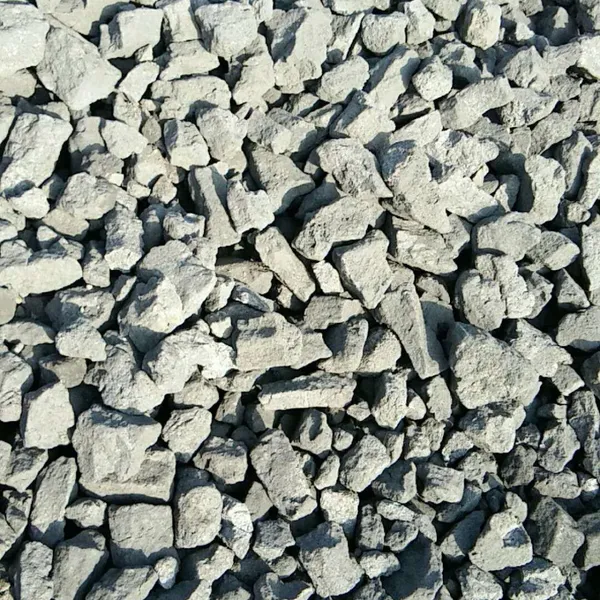
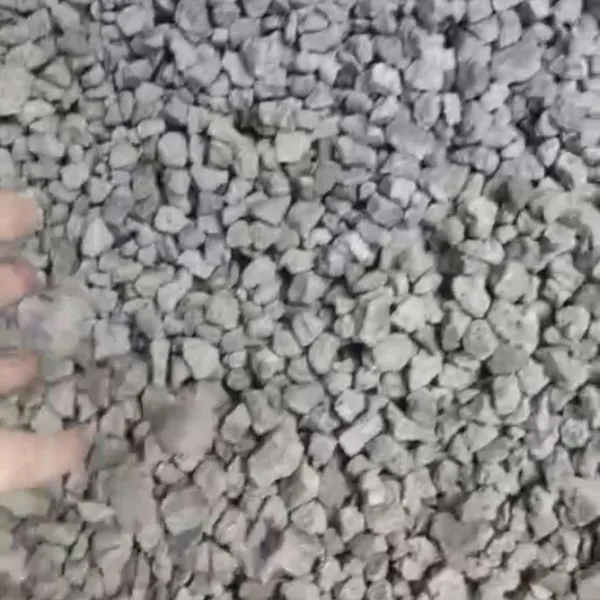
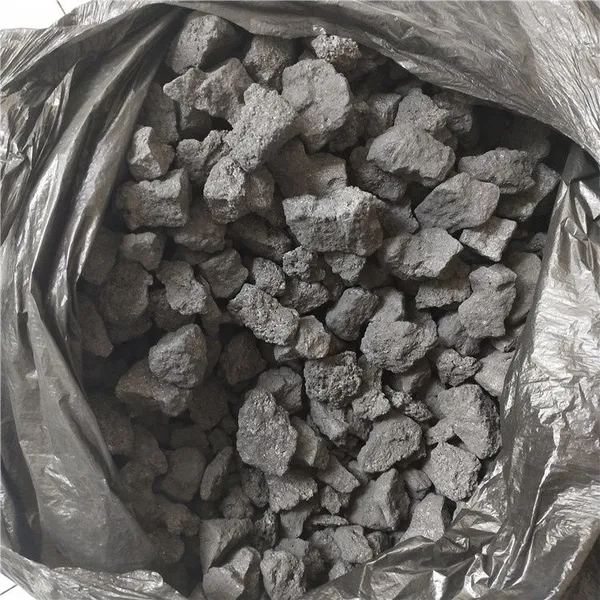
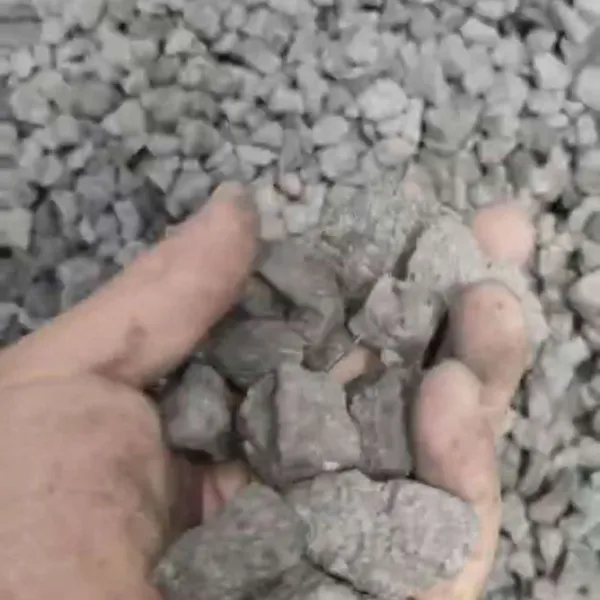
Semi coke (also known as gas coke or blue coke) is a solid carbon material produced by the low-temperature (500°C–700°C) dry distillation of high-quality non-coking or weakly-coking coal. Unlike conventional metallurgical coke produced at high temperatures (1,000°C+), semi coke retains higher chemical reactivity, lower ash, ultra-low sulfur, and high resistivity.
Core Chemical & Physical Specifications (Typical Limits)
Fixed Carbon (FC): 80% – 85% min
Ash Content (Ad): 8% – 10% max
Volatile Matter (Vdaf): 6% – 10% max
Sulfur (St,d): 0.3% – 0.4% max
Phosphorus (P): 0.005% – 0.02% max
Specific Resistance: > 3,500 Ω·cm
Moisture (Mt): 115% max (depending on quenching method)
Semi coke is synthesized in specialized vertical retorts where non-coking coal undergoes dry distillation at controlled temperatures between 500°C and 700°C.
During this low-temperature process:
Porous Structure Retention: The coal structure does not fully vitrify, preserving a highly microporous architecture.
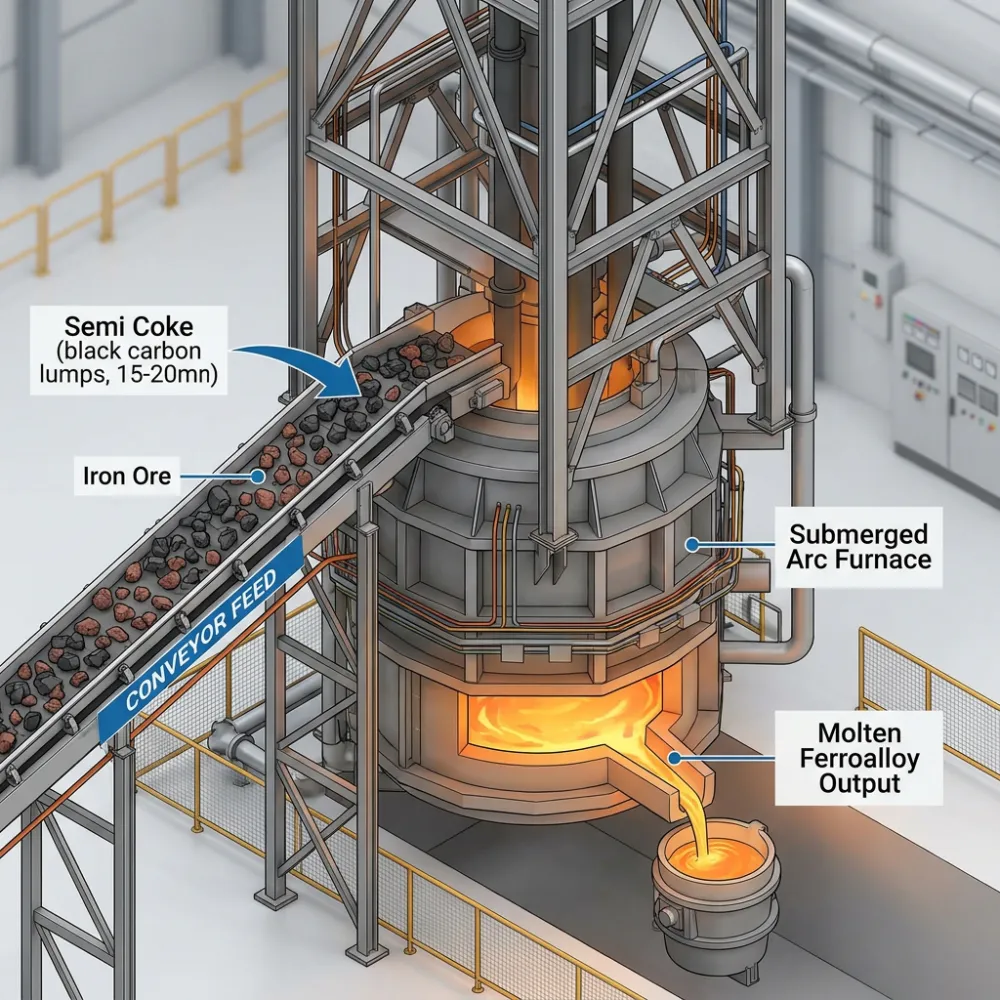
Preservation of Reactivity: High chemical reactivity is maintained, allowing rapid reduction reactions in electrical submerged arc furnaces.
Impurity Volatilization: Volatile organic compounds are driven off into coal gas and coal tar byproducts, leaving behind a purified, high-fixed-carbon residue.
Why Chemical Reactivity Matters in Metallurgical Processes
Chemical reactivity refers to the ability of carbon to react with CO₂ at elevated temperatures. Because semi coke possesses up to 3 to 4 times higher reactivity than standard coking coal products, it significantly accelerates the reduction rate of iron, silicon, and calcium compounds.
This directly translates into lower operating temperatures, reduced transformer load, and substantial energy savings for ferroalloy producers.
Typical Applications Overview
Ferroalloy Smelting: Ferrosilicon (FeSi), Ferromanganese (FeMn), Silicomanganese (SiMn).
Calcium Carbide Production: Key carbonaceous reducing agent.
Blast Furnace Injection (PCI alternative): Carbon additive for steelmaking.
Summary Checklist for Buyers
When sourcing semi coke, always request a complete Ultimate & Proximate Analysis Report verifying Moisture, Ash, Volatiles, Fixed Carbon, Sulfur, and Phosphorus.
Recently Posted
-
4 Sourcing Red Flags When Buying Semi Coke Internationally (And How to Avoid Them)
October 20, 2026IntroductionGlobal trade in semi coke has grown rapidly, driven by demand from smelters in Asia, Europe, and the Middle East. However, buying semi coke overseas presents challenges: volatile moisture levels, degradation during sea transit, and inconsistent sizing.This guide highlights the four most common procurement pitfalls and explains how experienced buyers protect their shipments.Red Flag 1: High Moisture Content DiscrepRead More -
Primary Industrial Applications and Uses of Semi Coke
October 20, 2026IntroductionElectrical power represents up to 40% of the total production cost in ferrosilicon (FeSi) and calcium carbide (CaC₂) p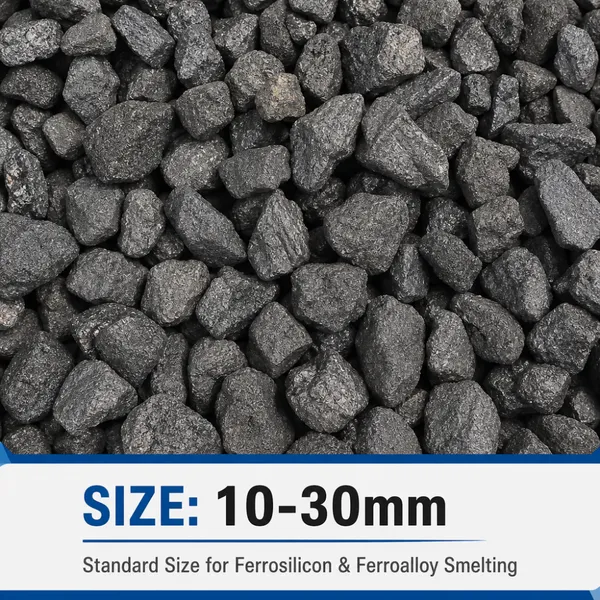 Read More
-
Foundry Coke vs Metallurgical Coke: What Is the Difference?
October 16, 2026IntroductionWhile both materials originate from the high-temperature pyrolysis of coking coal in byproduct coke ovens, Foundry Cok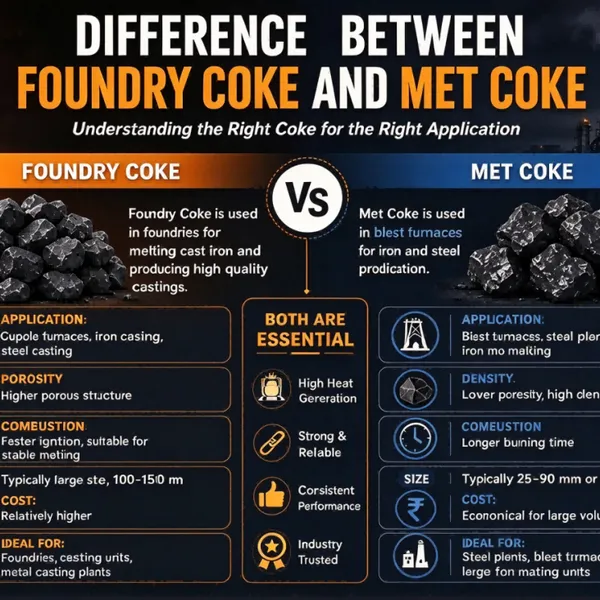 Read More
-
Understanding CSR and CRI in Foundry Coke: Thermochemical Reactions Inside the Cupola
October 16, 2026Foundry coke evaluation requires distinguishing between cold mechanical strength (M40 / M10) and hot thermochemical strength (CSR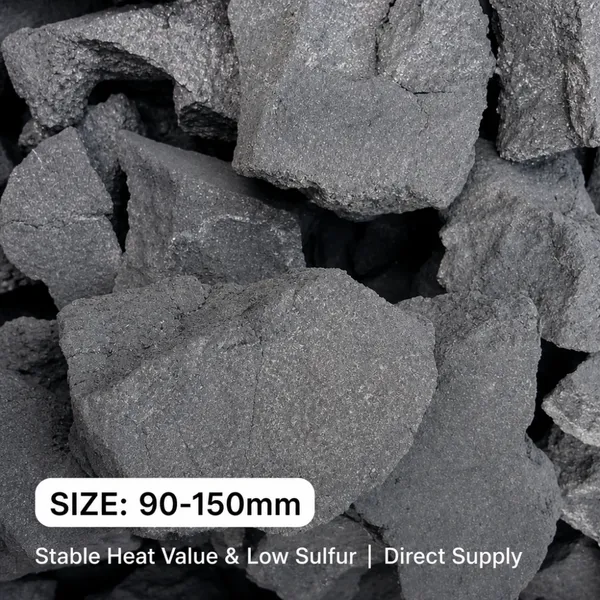 Read More

Contact Us
Recommended Products
-
 Low Phos Iinstead of Metallurgical Coke 10-30mm Semi Coke for Ferro AlloysUS$ 160MOQ: 20 Metric Tons
-
Low Sulfur Calcined Anthracite Coal Carbon Raiser FC90% 93% 95%US$ 250MOQ: 20 Metric Tons
-
High Strength Foundry Coke 80-150mm for Pig Iron Casting and CupolaUS$ 350MOQ: 20 Metric Tons
-
10-30mm Low Ash Metallurgical Coke for Steel Mills and Ferro AlloysUS$ 220MOQ: 20 Metric Tons
-
Premium Low Sulfur Foundry Coke for Ductile Iron Casting Operation Project Work UseNegotiableMOQ: 17 Metric Tons
-
Low Sulfur Carbon Raiser FC90% 95%US$ 250MOQ: 20 Metric Tons
-
Low Phos 10-30mm Semi Coke for Ferro Alloys Iinstead of Metallurgical CokeUS$ 160MOQ: 20 Metric Tons
-
25-40mm Low Ash Metallurgical Coke CSR 65+ for Steel MillsUS$ 220MOQ: 20 Metric Tons
-
High Carbon Low Sulfur Low Ash Met Coke Nut CokeUS$ 220MOQ: 20 Metric Tons
-
Metallurgical Nut Coke 10-30mm High CSR Low Sulfur for Blast FurnaceUS$ 240MOQ: 20 Metric Tons
-
88% Fixed Carbon Foundry Coke 80-120mm for Cupola FurnaceUS$ 350MOQ: 20 Metric Tons
-
High Strength Foundry Coke 80-150mm for Pig Iron Casting and CupolaUS$ 350MOQ: 20 Metric Tons
-
Carbon 88% Sulfur 0.035% Ash 10% Phosphorus 0.035% Calory 7100J for Pig Iron Hard Coke Casting Coke Foundry CokeUS$ 350MOQ: 20 Metric Tons
-
Fixed Carbon 88% Foundry Coke 80-150mmUS$ 350MOQ: 20 Metric Tons
-
Low Ash Good Price Metallurgical Coke Nut Blast Furnace Coke for SaleUS$ 240MOQ: 20 Metric Tons

-
Low Ash Metallurgical Coke 10-30mm Nut Coke 20-40mmUS$ 240MOQ: 20 Metric Tons
-
High Carbon Low Sulfur Low Ash Met Coke Nut CokeUS$ 220MOQ: 20 Metric Tons
-
Low Ash Metallurgical CokeUS$ 240MOQ: 20 Metric Tons
-
High Carbon Low Sulfur Met Coke Nut CokeUS$ 220MOQ: 20 Metric Tons
-
High Carbon Low Sulfur Foundry CokeUS$ 320MOQ: 20 Metric Tons