 Business License

Carbon Anode Scrap: The High-Carbon Fuel and Feedstock Replacing Foundry Coke
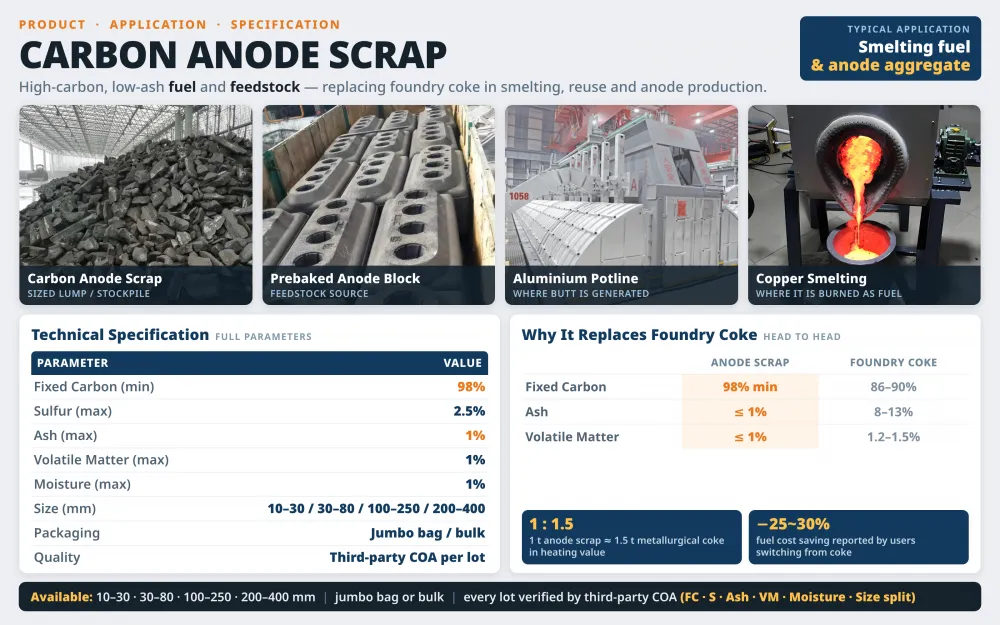
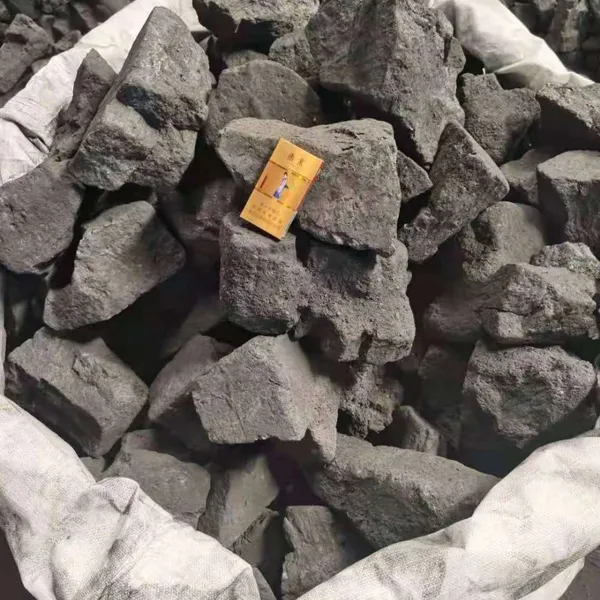
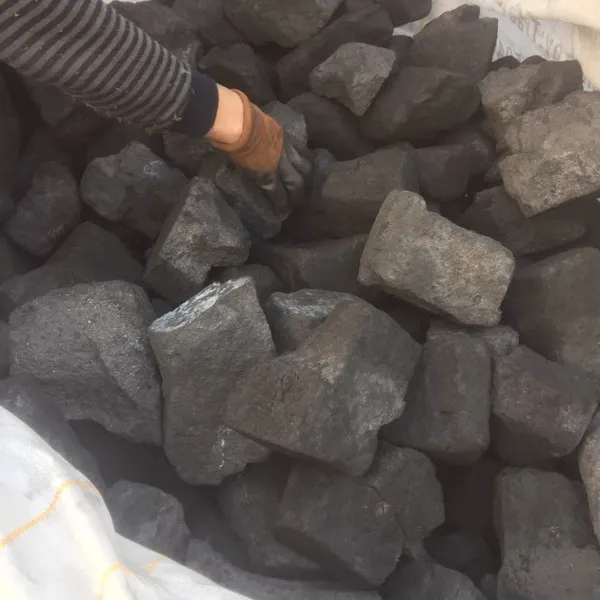
Carbon anode scrap — also called anode butt, anode remnant or carbon anode block — is one of the few industrial by-products that is genuinely better than the virgin material it replaces. It comes out of aluminium smelters with more fixed carbon and far less ash than the foundry coke it displaces, and it can either be burned as fuel or recycled back into anode production. Here is what it is, what it is worth, and how to specify it correctly.
1. What carbon anode scrap actually is
In primary aluminium production, the prebaked anode carbon block is a consumable electrode — it conducts current into the electrolytic cell and takes part in the reaction. Typical consumption runs 400–500 kg of anode per tonne of aluminium.
As the anode is consumed, the rod is lowered to hold a stable anode-to-cathode distance. Once the block has worn down to roughly 130–180 mm, it must be replaced — otherwise the electrolyte will attack the steel stubs. The residual block that comes off the cell is "carbon anode scrap."
Two facts follow from that origin:
Quantity. Butts typically account for 15–25% of the anode's original weight — a continuous, predictable by-product stream rather than a one-off scrap.
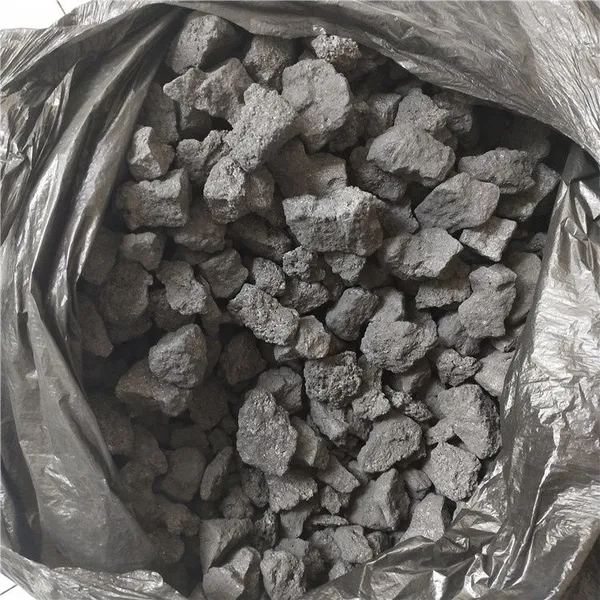
Condition. Because it sat in an electrolyte bath, the butt carries a hard crust and trace sodium, aluminium and fluoride at the surface. It is cleaned, stripped from the stubs, then crushed and screened — hard butt (dense, preferred) is separated from soft butt (porous, electrolyte-rich).
2. Why it out-performs foundry coke
The comparison is not close on carbon content:
| Item | Carbon anode scrap | Foundry coke |
| Fixed carbon | 97-98.5%min | 86-90%min |
| Ash | 1%max | 8-12%max |
That gap is why the industry rule of thumb holds: one tonne of anode scrap delivers roughly the calorific value of 1.5 tonnes of metallurgical coke (published comparisons range from 1.2× to 1.5× depending on the coke and the grade). Buyers replacing foundry coke with anode scrap commonly report 25–30% savings on fuel cost — and because the calorific value per tonne is higher, they need to buy less of it.
3. Where it goes: three primary applications
① Recycled into anode material production. Cleaned butt is a standard raw material for new prebaked anodes and anode paste, blended with calcined petroleum coke as an aggregate — typically at around 22–25% of the dry aggregate, since higher additions begin to affect anode quality.
② Aggregate in anode paste / electrode paste. Fractionated butt, especially the finer sizes, is used as aggregate in paste production.
③ Smelting fuel. This is the largest commercial use: a replacement fuel and carbon source in the secondary smelting of copper, aluminium, lead and zinc, and as a carbon raiser and cupola fuel in foundries. Its combination of high fixed carbon, low ash and low moisture makes it work where the temperature demand is high and slag volume must stay low.
4. Our specification
| Fixed Carbon (min) | 98% |
| Sulfur (max) | 2.5% |
| Ash (max) | 1% |
| Volatile Matter (max) | 1% |
| Moisture (max) | 1% |
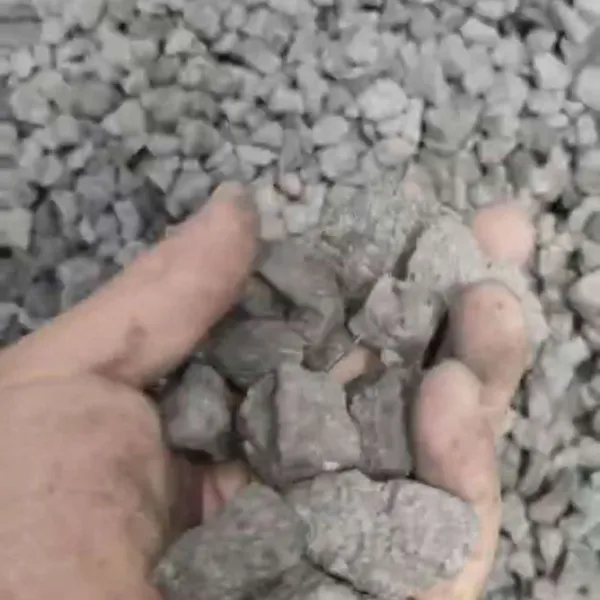
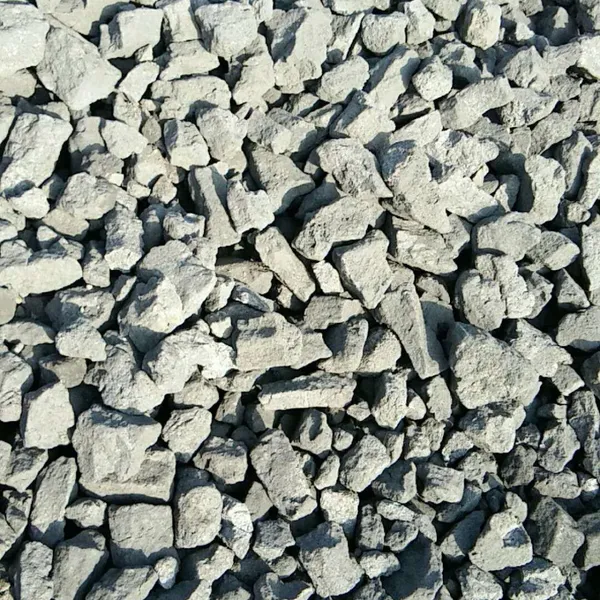
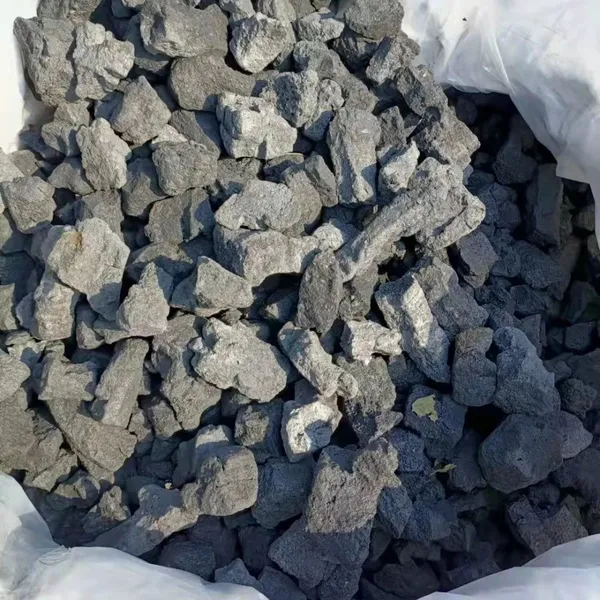
Available as lump or sized material — typical bands are 10–30 mm, 30–80 mm, 100–250 mm and 200–400 mm, with sizes adjustable to order. Supplied in jumbo bags or bulk.
5. The six numbers to confirm before you buy
① Fixed carbon. The carbon you are actually buying. At 98% min it sits at the top of the carbon-fuel range.
② Ash. Anode scrap's decisive advantage. Low ash means less slag, less flux and less heat lost to inert material — the main reason it can substitute for coke on a near one-for-one energy basis while reducing residue.
③ Sulfur. The one variable that needs discussion — see below.
④ Volatile matter and ⑤ moisture. Both held at ≤1% for this grade, which keeps the material dimensionally stable, non-smoking on storage and predictable in the furnace.
⑥ Size distribution. Determined by your furnace, not by habit — see below.
6. Two practical points that decide your results
Sizing by application. Different molten metals want different lump sizes:
Copper melting favours larger lumps, which help the furnace reach and hold high temperatures;
Lead and zinc melt at lower temperatures and are usually run on medium sizes (30–80 mm, 100–200 mm);
Fine fractions below a few millimetres are cleaned, washed and re-screened, then used as carbon raiser or electrode-paste feedstock rather than as furnace fuel.
The sulfur trade-off. Sulfur in anode scrap depends on the calcined petroleum coke used to make the original anode, and typically runs in the 1–2.5% range — often higher than the coke it replaces. In jurisdictions with strict stack-emission limits, carbon anode scrap is blended with lower-sulfur fuel rather than used at 100% substitution: fuel cost is optimised only within the sulfur ceiling your permit allows. Decide the blend ratio before you finalise the purchase, not after.
A storage note: butt absorbs moisture and contaminants. Covered storage (not open-air stacking) is what keeps the "low moisture, low impurity" advantage intact at the point of use.
7. What to put in your inquiry
At minimum, specify: fixed carbon (min); sulfur (max); ash (max); volatile matter (max); moisture (max); size distribution; packaging (jumbo bag or bulk); quantity and destination port — and require a third-party certificate of analysis per lot covering the five chemical parameters and the size split.
Frequently Asked Questions
What is the difference between carbon anode scrap and carbon anode butt?
They are the same material — the residual part of a prebaked anode carbon block after its service life in the electrolytic cell. "Butt," "anode scrap," "anode remnant" and "carbon anode block" are used interchangeably in the trade; the regional naming differs, the product does not.
Why is 1 tonne of anode scrap equal to 1.5 tonnes of coke?
Because it carries more carbon and far less ash. At 97–98% fixed carbon against 78–85% for foundry coke, and ≤1% ash against 10–15%, the calorific value per tonne is substantially higher. The 1:1.5 figure is a widely used industry rule of thumb for energy equivalence.
Can I substitute anode scrap for coke completely?
Technically the material performs, but in practice most operators blend. The limiting factors are sulfur content and the emission limits of the furnace or stack — not the calorific value.
Is the sulfur content a problem?
It depends on the grade and on local emission rules. Sulfur in anode scrap varies with the coke used to make the anode, and typically ranges 1–2.5%. Confirm the sulfur maximum, then set your blend ratio so stack sulfur stays within permit limits.
What sizes are available?
Commonly 10–30 mm, 30–80 mm, 100–250 mm and 200–400 mm, in jumbo bags or bulk. Sizes can be produced to order, and large-lump shipments typically control the fines fraction.
The takeaway: carbon anode scrap is not "scrap" in the cost sense — it is a higher-carbon, lower-ash alternative to foundry coke with a second life as anode feedstock. Specify carbon and ash tightly, settle sulfur against your emission limits, match lump size to the metal you are melting, and buy on a certificate of analysis. Used properly, it is one of the rare raw materials that saves money and reduces residue at the same time.
#CarbonAnodeScrap #AnodeButt #FoundryCokeReplacement #CopperSmelting #AluminiumSmelting #FoundryFuel #CarbonRaiser #SecondaryMetallurgy #SmeltingFuel #Recarburizer #Metallurgy #CarbonAnodeBlock #CircularEconomy
Recently Posted
-
GPC Recarburizer: Why Graphitization — Not Just Fixed Carbon — Decides Your Casting Quality
November 3, 2026Two carbon raisers can both read "98% fixed carbon" and behave nothing alike in the furnace. The difference is how the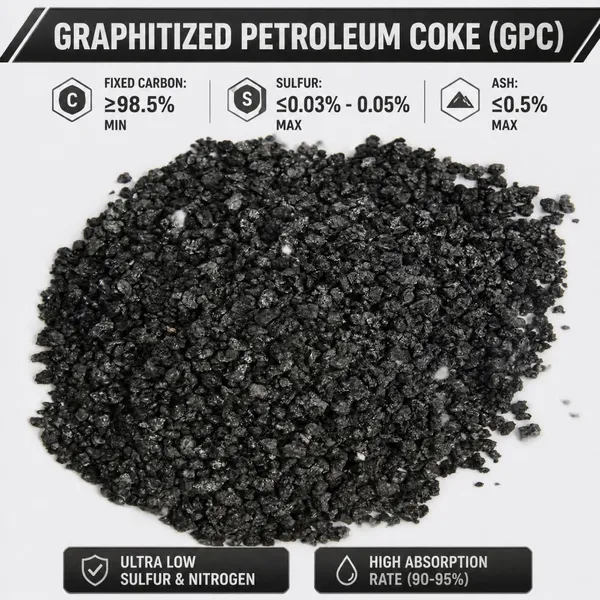 Read More
-
How to Choose Coke for the Blast Furnace: The Criteria That Actually Move Your Coke Rate
October 29, 2026Coke is the one input a blast furnace cannot do without. Coal injection can replace much of its heat and reducing duty; scrap and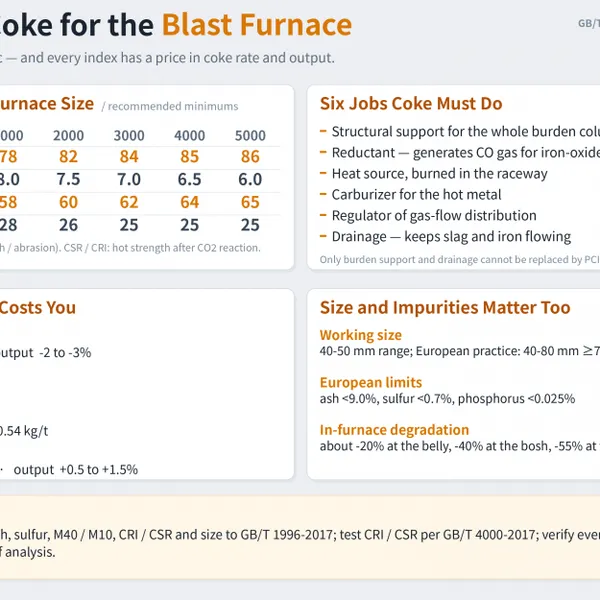 Read More
-
How to Choose the Right Carbon Raiser: A Practical Guide for Foundries and Steelmakers
October 29, 2026Every foundry uses carbon raisers. Far fewer use the right one. The choice affects carbon recovery, sulfur and nitrogen pickup, s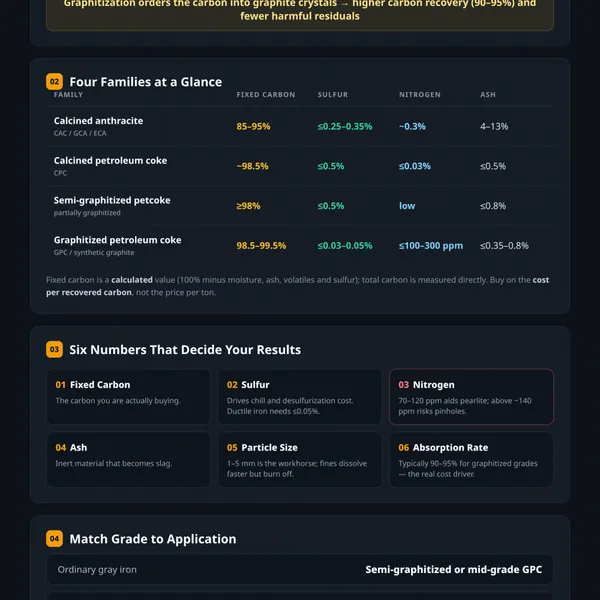 Read More
-
4 Sourcing Red Flags When Buying Semi Coke Internationally (And How to Avoid Them)
October 21, 2026IntroductionGlobal trade in semi coke has grown rapidly, driven by demand from smelters in Asia, Europe, and the Middle East. Howe Read More

Contact Us
Recommended Products
-
 Fixed Carbon 98.5% Carbon Anode Scrap Carbon ButtsUS$ 450MOQ: 20 Metric Tons
-
Low Phos Iinstead of Metallurgical Coke 10-30mm Semi Coke for Ferro AlloysUS$ 160MOQ: 20 Metric Tons
-
Low Sulfur Calcined Anthracite Coal Carbon Raiser FC90% 93% 95%US$ 250MOQ: 20 Metric Tons
-
High Strength Foundry Coke 80-150mm for Pig Iron Casting and CupolaUS$ 350MOQ: 20 Metric Tons
-
10-30mm Low Ash Metallurgical Coke for Steel Mills and Ferro AlloysUS$ 220MOQ: 20 Metric Tons
-
Premium Low Sulfur Foundry Coke for Ductile Iron Casting Operation Project Work UseNegotiableMOQ: 17 Metric Tons
-
Low Sulfur Carbon Raiser FC90% 95%US$ 250MOQ: 20 Metric Tons
-
Low Phos 10-30mm Semi Coke for Ferro Alloys Iinstead of Metallurgical CokeUS$ 160MOQ: 20 Metric Tons
-
25-40mm Low Ash Metallurgical Coke CSR 65+ for Steel MillsUS$ 220MOQ: 20 Metric Tons
-
High Carbon Low Sulfur Low Ash Met Coke Nut CokeUS$ 220MOQ: 20 Metric Tons
-
Metallurgical Nut Coke 10-30mm High CSR Low Sulfur for Blast FurnaceUS$ 240MOQ: 20 Metric Tons
-
88% Fixed Carbon Foundry Coke 80-120mm for Cupola FurnaceUS$ 350MOQ: 20 Metric Tons
-
High Strength Foundry Coke 80-150mm for Pig Iron Casting and CupolaUS$ 350MOQ: 20 Metric Tons
-
Carbon 88% Sulfur 0.035% Ash 10% Phosphorus 0.035% Calory 7100J for Pig Iron Hard Coke Casting Coke Foundry CokeUS$ 350MOQ: 20 Metric Tons
-
Fixed Carbon 88% Foundry Coke 80-150mmUS$ 350MOQ: 20 Metric Tons

-
Low Ash Good Price Metallurgical Coke Nut Blast Furnace Coke for SaleUS$ 240MOQ: 20 Metric Tons
-
Low Ash Metallurgical Coke 10-30mm Nut Coke 20-40mmUS$ 240MOQ: 20 Metric Tons
-
High Carbon Low Sulfur Low Ash Met Coke Nut CokeUS$ 220MOQ: 20 Metric Tons
-
Low Ash Metallurgical CokeUS$ 240MOQ: 20 Metric Tons
-
High Carbon Low Sulfur Met Coke Nut CokeUS$ 220MOQ: 20 Metric Tons