 Business License

Foundry Coke vs. Metallurgical Coke: Key Differences & Industrial Buyer’s Guide
When evaluating carbon-rich solid fuels for high-temperature industrial processes, procurement professionals often encounter a common point of confusion: foundry coke vs. metallurgical coke.
Although both materials originate from coking coal and share a carbon-dense profile, they are engineered for vastly different thermal environments, mechanical demands, and chemical reactions. Misapplying either can severely disrupt furnace stability, impair metal quality, and drive up operational costs.
This comprehensive guide breaks down the core technical differences between foundry coke and metallurgical coke, helping industrial buyers and foundry operators make informed, cost-effective purchasing decisions.
1. Defining the Core Materials
What Is Foundry Coke?
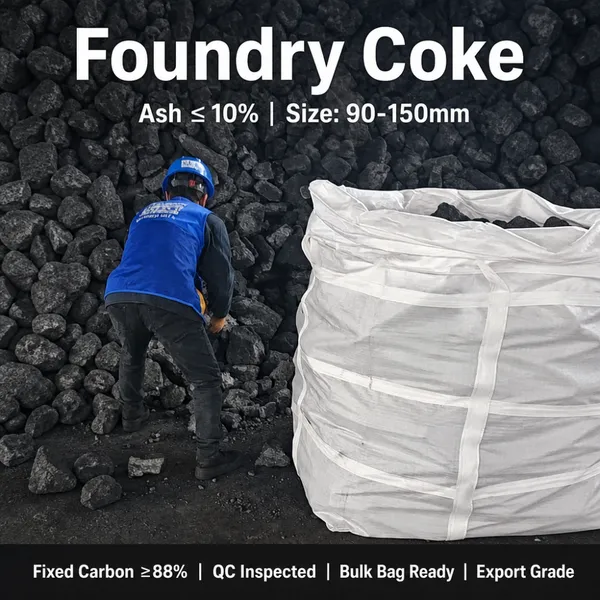
Foundry coke is a premium, high-carbon solid fuel specifically manufactured for foundry operations—most notably within cupola furnaces used in cast iron production.
Primary Role: Acts as both a high-efficiency heat source for melting scrap metals and a carbon raiser for the molten iron.
Structural Demand: Must endure severe mechanical stress and extreme temperatures while preserving a rigid physical bed structure to ensure optimal gas permeability.
What Is Metallurgical Coke (Met Coke)?
Metallurgical coke, frequently referred to as "met coke," is a high-purity carbonaceous material predominantly utilized in blast furnaces for primary ironmaking (pig iron production).
Primary Role: Functions simultaneously as a high-intensity fuel, a chemical reducing agent (stripping oxygen from iron oxides), and a physical support medium for the furnace burden.
Structural Demand: Faces intense downward compressive forces, requiring exceptional high-temperature load-bearing capacity.
2. Side-by-Side Comparison Matrix
To quickly evaluate how these two carbon grades diverge, consider the following technical parameters:
| Parameter | Foundry Coke | Metallurgical Coke |
| Primary Furnace Type | Cupola Furnaces | Blast Furnaces |
| Core Functions | Metal melting & carbon pickup | Fuel, reducing agent, burden support |
| Typical Lump Size | Generally larger, uniform lumps | Tailored to blast furnace specifications |
| Mechanical Strength | High structural integrity | Extremely high (evaluated via CSR/CRI) |
| Target End Product | Cast iron and specialized foundry alloys | Pig iron and raw steel production |
| Reactivity Profile | Controlled combustion and gas flow | Strictly optimized for high-speed reduction |
3. Deep-Dive: Key Differentiating Factors
A. Size Distribution and Permeability
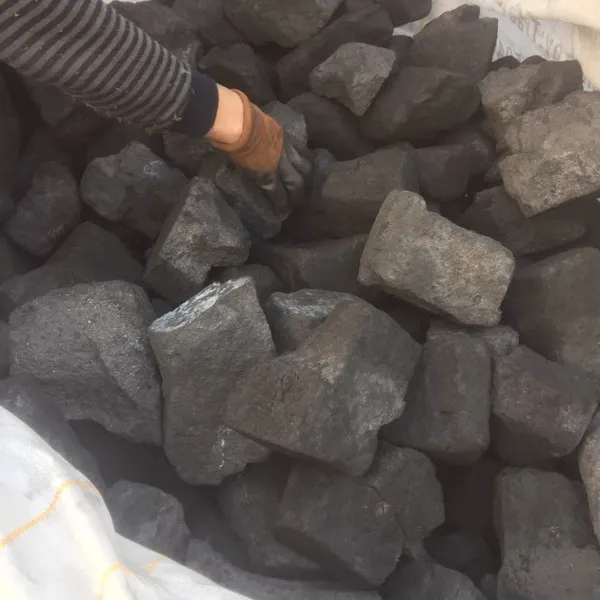
Foundry Coke: Typically supplied in larger, more uniform lump sizes. In a cupola furnace, large chunks are critical to maintaining an open, permeable coke bed that allows combustion gases to flow evenly upward.
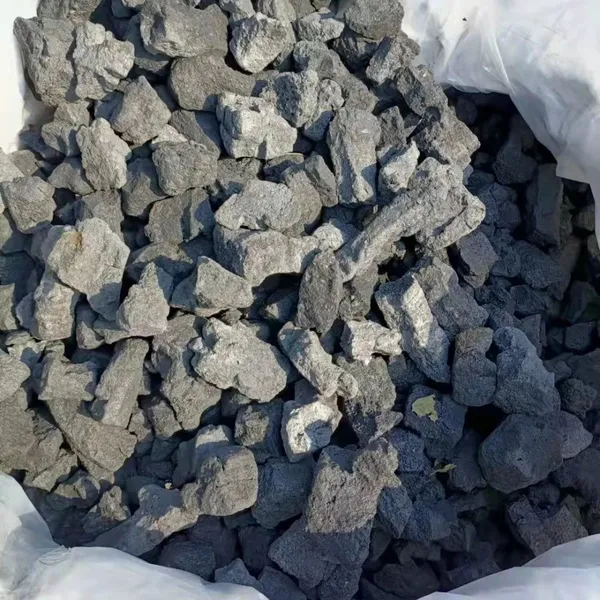
Metallurgical Coke: Sizing is strictly calibrated to match the specific geometry and operational parameters of a blast furnace burden. Incorrect sizing—especially an excess of fines—can choke gas flow and disrupt pressure distribution.
B. Mechanical Strength & Reactivity (CSR/CRI)
Foundry Coke must survive standard handling and thermal shock inside a cupola.
Metallurgical Coke is subjected to rigorous testing standards, notably CRI (Coke Reactivity Index) and CSR (Coke Strength after Reaction). These metrics measure how well the coke maintains its physical strength when reacting aggressively with carbon dioxide at elevated blast furnace temperatures.
C. Chemical Purity (Carbon, Ash, Sulfur, & Phosphorus)
Both grades demand high fixed carbon content to maximize thermal efficiency. However, impurity thresholds are tightly controlled based on the metallurgy:
Sulfur and Phosphorus: Excess levels directly degrade metal ductility and strength. Foundry operations targeting high-grade cast iron demand extremely low sulfur limits.
Ash Content: High ash reduces effective carbon content and increases undesirable slag generation during melting.
4. Can Foundry Coke and Metallurgical Coke Be Interchanged?
The short answer is no.
While both are top-tier carbon products, substituting one for the other without technical validation is risky. A cupola furnace operates on different kinetic and aerodynamic principles than a massive steel mill blast furnace. Using out-of-spec coke can lead to bridging, erratic melting rates, poor thermal efficiency, and inconsistent metallurgy.
Procurement Checklist Before Switching Suppliers:
Verify the furnace type and operational parameters.
Review complete Technical Data Sheets (TDS) rather than relying on generic product names.
Check key indicators: Fixed carbon, moisture, ash, volatile matter, sulfur, phosphorus, and mechanical strength indexes.
Request certified third-party quality inspection reports (SGS or equivalent).
Conclusion: Choosing the Right Grade for Your Process
The debate of foundry coke vs. metallurgical coke ultimately boils down to matching the fuel to the exact demands of your thermal equipment. Foundry operations require the stable, structural melting performance of specialized foundry coke, whereas large-scale ironmaking relies on the robust reduction capabilities of blast furnace metallurgical coke.
Looking for stable, high-performance carbon products tailored to your industrial specifications? Contact our technical team today for custom data sheets, factory inspections, and competitive global supply solutions.
Recently Posted
-
4 Sourcing Red Flags When Buying Semi Coke Internationally (And How to Avoid Them)
October 20, 2026IntroductionGlobal trade in semi coke has grown rapidly, driven by demand from smelters in Asia, Europe, and the Middle East. However, buying semi coke overseas presents challenges: volatile moisture levels, degradation during sea transit, and inconsistent sizing.This guide highlights the four most common procurement pitfalls and explains how experienced buyers protect their shipments.Red Flag 1: High Moisture Content DiscrepRead More -
Primary Industrial Applications and Uses of Semi Coke
October 20, 2026IntroductionElectrical power represents up to 40% of the total production cost in ferrosilicon (FeSi) and calcium carbide (CaC₂) p Read More
-
What is Semi Coke? Definition, Production Process, and Core Properties
October 16, 2026The Science of Semi Coke: How Low-Temperature Carbonization Creates a Superior Smelting CarbonIntroductionIn the global drive towa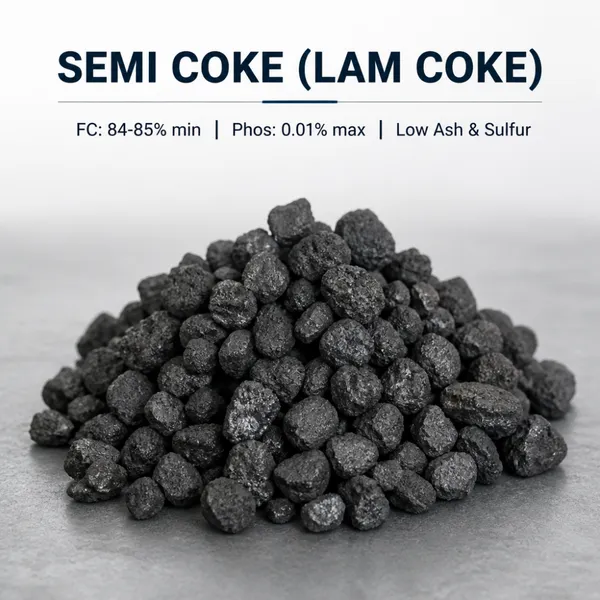 Read More
-
Foundry Coke vs Metallurgical Coke: What Is the Difference?
October 16, 2026IntroductionWhile both materials originate from the high-temperature pyrolysis of coking coal in byproduct coke ovens, Foundry Cok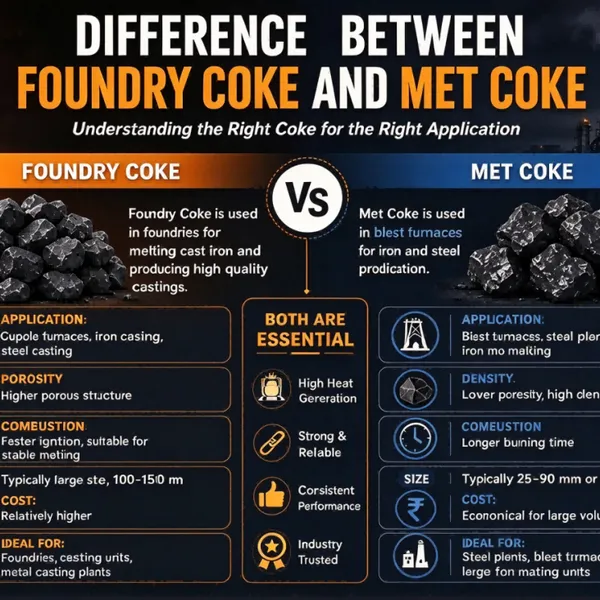 Read More

Contact Us
Recommended Products
-
 Low Phos Iinstead of Metallurgical Coke 10-30mm Semi Coke for Ferro AlloysUS$ 160MOQ: 20 Metric Tons
-
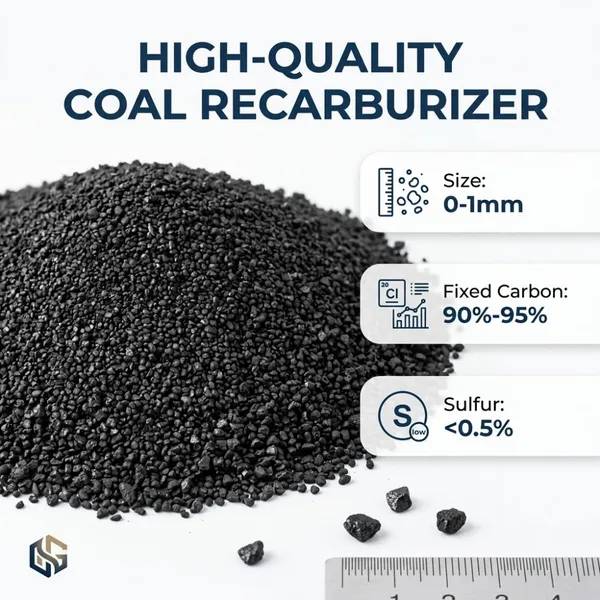
Low Sulfur Calcined Anthracite Coal Carbon Raiser FC90% 93% 95%US$ 250MOQ: 20 Metric Tons
-
High Strength Foundry Coke 80-150mm for Pig Iron Casting and CupolaUS$ 350MOQ: 20 Metric Tons
-
10-30mm Low Ash Metallurgical Coke for Steel Mills and Ferro AlloysUS$ 220MOQ: 20 Metric Tons
-
Premium Low Sulfur Foundry Coke for Ductile Iron Casting Operation Project Work UseNegotiableMOQ: 17 Metric Tons

-
Low Sulfur Carbon Raiser FC90% 95%US$ 250MOQ: 20 Metric Tons
-
Low Phos 10-30mm Semi Coke for Ferro Alloys Iinstead of Metallurgical CokeUS$ 160MOQ: 20 Metric Tons
-
25-40mm Low Ash Metallurgical Coke CSR 65+ for Steel MillsUS$ 220MOQ: 20 Metric Tons
-
High Carbon Low Sulfur Low Ash Met Coke Nut CokeUS$ 220MOQ: 20 Metric Tons
-
Metallurgical Nut Coke 10-30mm High CSR Low Sulfur for Blast FurnaceUS$ 240MOQ: 20 Metric Tons
-
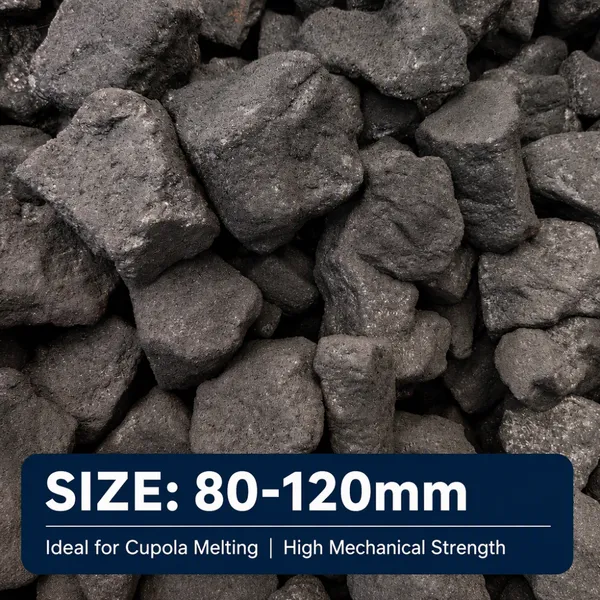
88% Fixed Carbon Foundry Coke 80-120mm for Cupola FurnaceUS$ 350MOQ: 20 Metric Tons
-
High Strength Foundry Coke 80-150mm for Pig Iron Casting and CupolaUS$ 350MOQ: 20 Metric Tons
-
Carbon 88% Sulfur 0.035% Ash 10% Phosphorus 0.035% Calory 7100J for Pig Iron Hard Coke Casting Coke Foundry CokeUS$ 350MOQ: 20 Metric Tons
-
Fixed Carbon 88% Foundry Coke 80-150mmUS$ 350MOQ: 20 Metric Tons
-
Low Ash Good Price Metallurgical Coke Nut Blast Furnace Coke for SaleUS$ 240MOQ: 20 Metric Tons

-
Low Ash Metallurgical Coke 10-30mm Nut Coke 20-40mmUS$ 240MOQ: 20 Metric Tons
-
High Carbon Low Sulfur Low Ash Met Coke Nut CokeUS$ 220MOQ: 20 Metric Tons
-
Low Ash Metallurgical CokeUS$ 240MOQ: 20 Metric Tons
-
High Carbon Low Sulfur Met Coke Nut CokeUS$ 220MOQ: 20 Metric Tons
-
High Carbon Low Sulfur Foundry CokeUS$ 320MOQ: 20 Metric Tons