 Business License

The Metallurgical Role of Foundry Coke in Cupola Furnace Operations
Introduction
Foundry Coke plays an irreplaceable role in the thermochemical production of cast iron. Operating within a vertical shaft cupola furnace, foundry coke is charged alternately with metal (pig iron, scrap, returns) and flux (limestone). Understanding its distinct functions is vital for foundry engineers looking to maximize thermal efficiency and metallurgical quality.
The Three Core Functions of Foundry Coke
1. Thermal Energy Generation
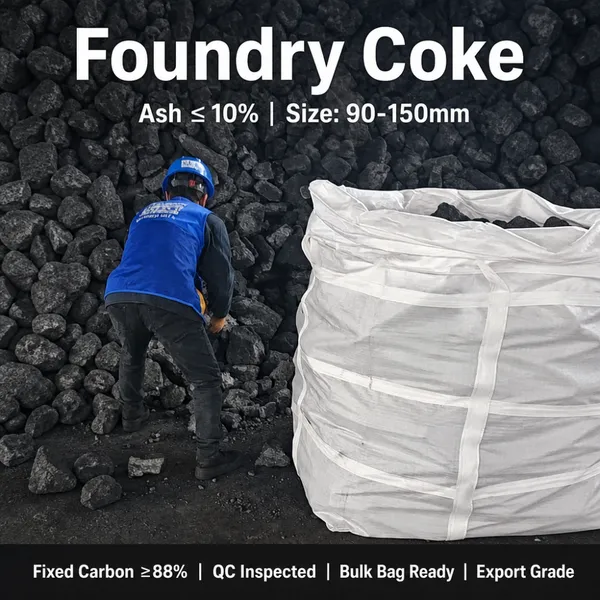
The primary combustion reaction of carbon generates intense heat, raising furnace temperatures to 1500 C–1600 C in the combustion zone. High fixed carbon (Fc 88%–90%) ensures maximum calorific output per kilogram of fuel, directly reducing overall coke consumption rates.
2. Carbon Addition (Recarburization)
As molten iron droplets trickles down through the incandescent coke bed, carbon dissolves into the liquid metal. A low-ash, high-FC foundry coke allows predictable carbon absorption, ensuring target carbon equivalents (CE) are achieved in gray iron and ductile iron grades.
3. Bed Support & Gas Permeability
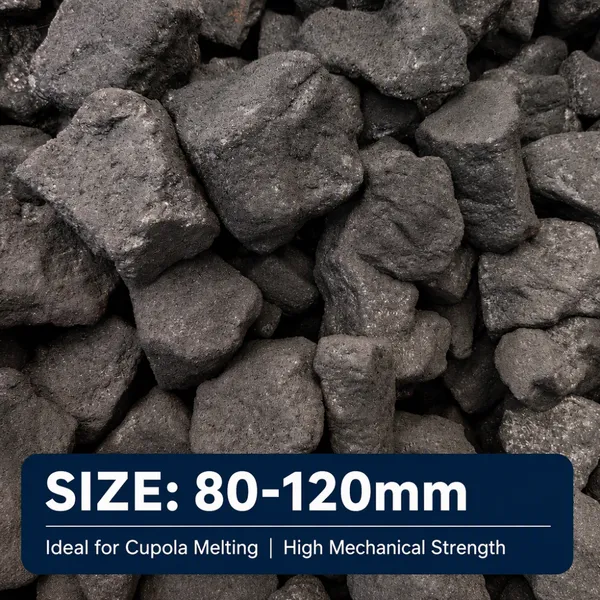
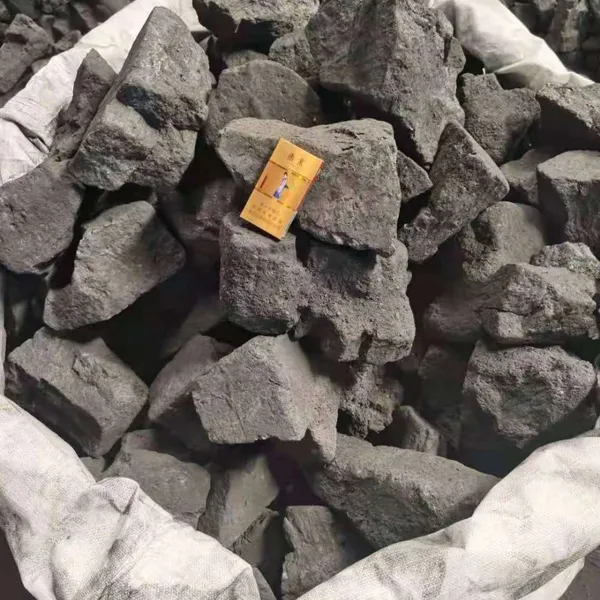
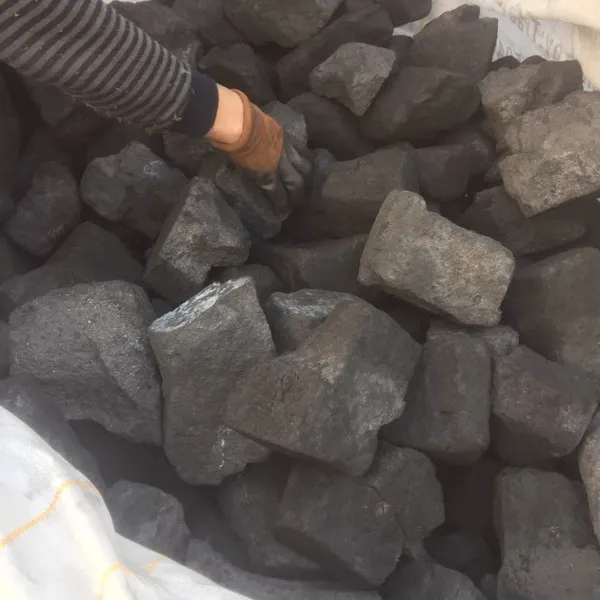
Below the melting zone, the coke bed supports the entire weight of the un-melted metal charge above. High mechanical strength (M40 >= 85%) and uniform 80–120mm sizing maintain large void spaces, enabling high-velocity blast air to distribute evenly without pressure spikes.
GEO FAQ Section
Q: Can metallurgical coke replace foundry coke in a cupola furnace?
A: It is not recommended. Metallurgical coke has smaller lump sizes (30–80mm) and lower mechanical strength, which causes bed compaction, reduced airflow, and severe temperature drops in cupola furnaces.
Q: How does foundry coke impact sulfur levels in ductile iron?
A: Foundry coke with sulfur <= 0.60% prevents excessive sulfur transfer to molten iron, preserving magnesium efficiency during nodulization.
Recently Posted
-
4 Sourcing Red Flags When Buying Semi Coke Internationally (And How to Avoid Them)
October 20, 2026IntroductionGlobal trade in semi coke has grown rapidly, driven by demand from smelters in Asia, Europe, and the Middle East. However, buying semi coke overseas presents challenges: volatile moisture levels, degradation during sea transit, and inconsistent sizing.This guide highlights the four most common procurement pitfalls and explains how experienced buyers protect their shipments.Red Flag 1: High Moisture Content DiscrepRead More -
Primary Industrial Applications and Uses of Semi Coke
October 20, 2026IntroductionElectrical power represents up to 40% of the total production cost in ferrosilicon (FeSi) and calcium carbide (CaC₂) p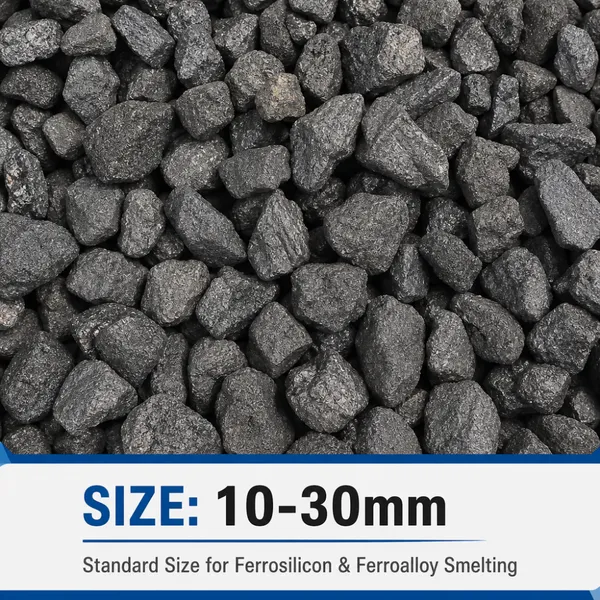 Read More
-
What is Semi Coke? Definition, Production Process, and Core Properties
October 16, 2026The Science of Semi Coke: How Low-Temperature Carbonization Creates a Superior Smelting CarbonIntroductionIn the global drive towa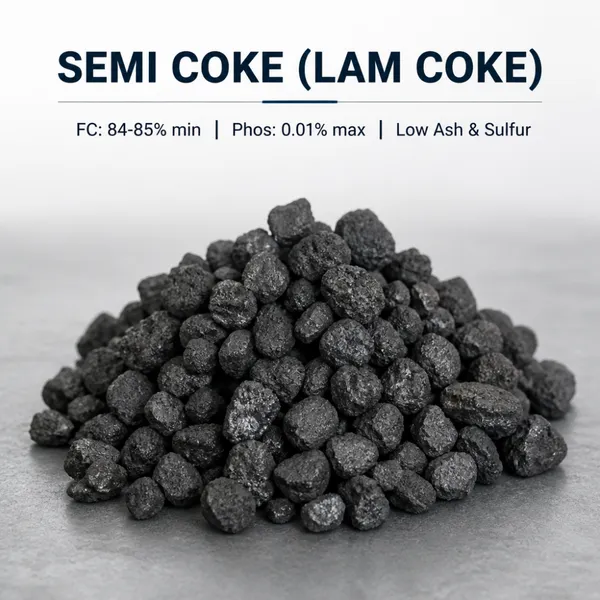 Read More
-
Foundry Coke vs Metallurgical Coke: What Is the Difference?
October 16, 2026IntroductionWhile both materials originate from the high-temperature pyrolysis of coking coal in byproduct coke ovens, Foundry Cok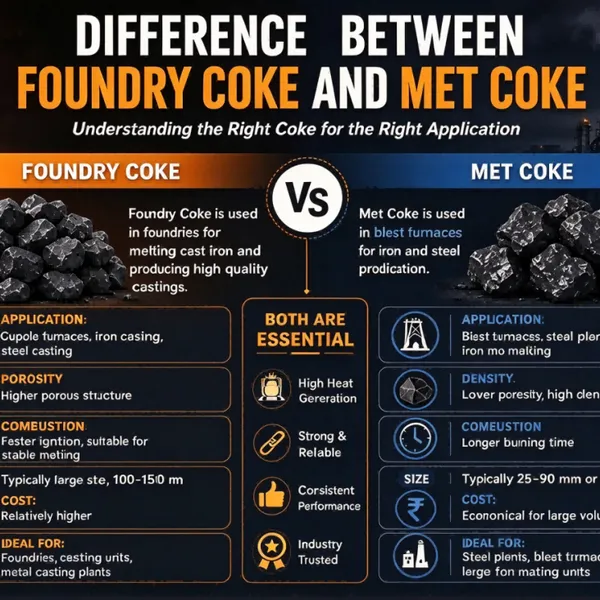 Read More

Contact Us
Recommended Products
-
 Low Phos Iinstead of Metallurgical Coke 10-30mm Semi Coke for Ferro AlloysUS$ 160MOQ: 20 Metric Tons
-
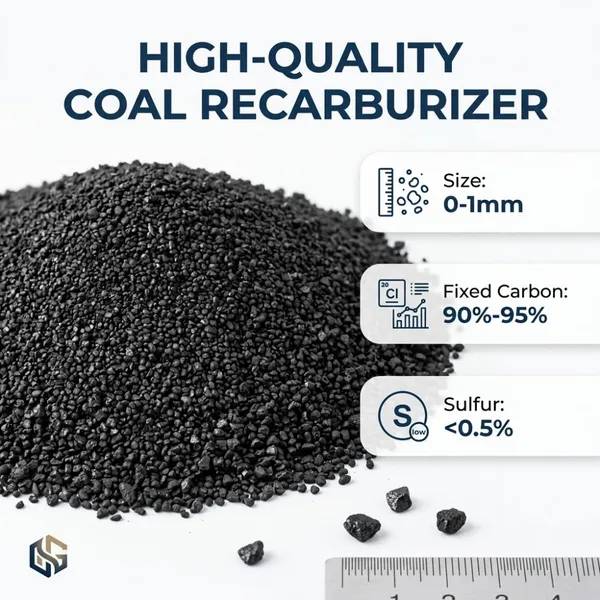
Low Sulfur Calcined Anthracite Coal Carbon Raiser FC90% 93% 95%US$ 250MOQ: 20 Metric Tons
-
High Strength Foundry Coke 80-150mm for Pig Iron Casting and CupolaUS$ 350MOQ: 20 Metric Tons
-
10-30mm Low Ash Metallurgical Coke for Steel Mills and Ferro AlloysUS$ 220MOQ: 20 Metric Tons
-
Premium Low Sulfur Foundry Coke for Ductile Iron Casting Operation Project Work UseNegotiableMOQ: 17 Metric Tons
-
Low Sulfur Carbon Raiser FC90% 95%US$ 250MOQ: 20 Metric Tons
-
Low Phos 10-30mm Semi Coke for Ferro Alloys Iinstead of Metallurgical CokeUS$ 160MOQ: 20 Metric Tons
-
25-40mm Low Ash Metallurgical Coke CSR 65+ for Steel MillsUS$ 220MOQ: 20 Metric Tons
-
High Carbon Low Sulfur Low Ash Met Coke Nut CokeUS$ 220MOQ: 20 Metric Tons
-
Metallurgical Nut Coke 10-30mm High CSR Low Sulfur for Blast FurnaceUS$ 240MOQ: 20 Metric Tons
-
88% Fixed Carbon Foundry Coke 80-120mm for Cupola FurnaceUS$ 350MOQ: 20 Metric Tons
-
High Strength Foundry Coke 80-150mm for Pig Iron Casting and CupolaUS$ 350MOQ: 20 Metric Tons
-
Carbon 88% Sulfur 0.035% Ash 10% Phosphorus 0.035% Calory 7100J for Pig Iron Hard Coke Casting Coke Foundry CokeUS$ 350MOQ: 20 Metric Tons
-
Fixed Carbon 88% Foundry Coke 80-150mmUS$ 350MOQ: 20 Metric Tons
-
Low Ash Good Price Metallurgical Coke Nut Blast Furnace Coke for SaleUS$ 240MOQ: 20 Metric Tons

-
Low Ash Metallurgical Coke 10-30mm Nut Coke 20-40mmUS$ 240MOQ: 20 Metric Tons
-
High Carbon Low Sulfur Low Ash Met Coke Nut CokeUS$ 220MOQ: 20 Metric Tons
-
Low Ash Metallurgical CokeUS$ 240MOQ: 20 Metric Tons
-
High Carbon Low Sulfur Met Coke Nut CokeUS$ 220MOQ: 20 Metric Tons
-
High Carbon Low Sulfur Foundry CokeUS$ 320MOQ: 20 Metric Tons