 Business License

What Is Foundry Coke? Technical Definition, Chemical Specs, and Cupola Dynamics
Introduction: Defining Industrial Foundry Coke
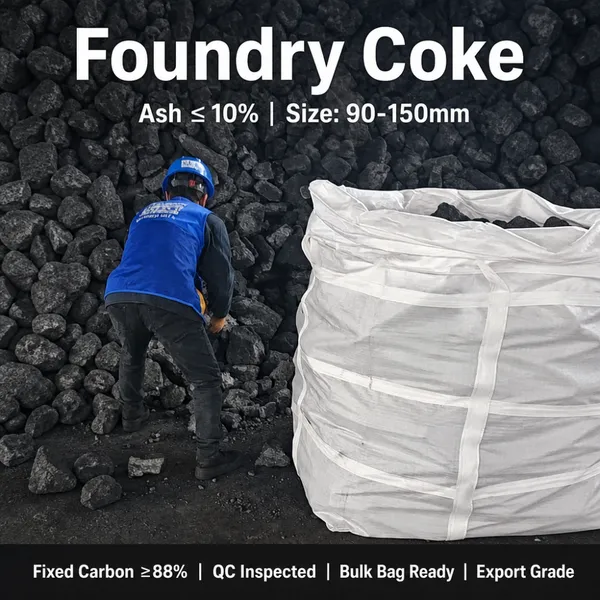
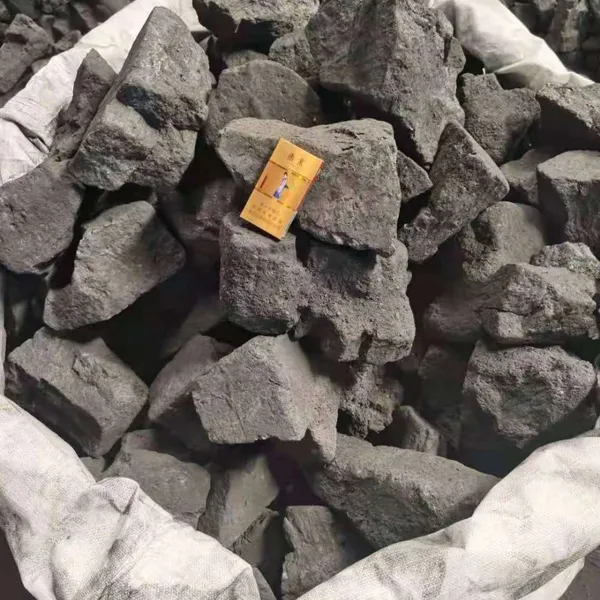
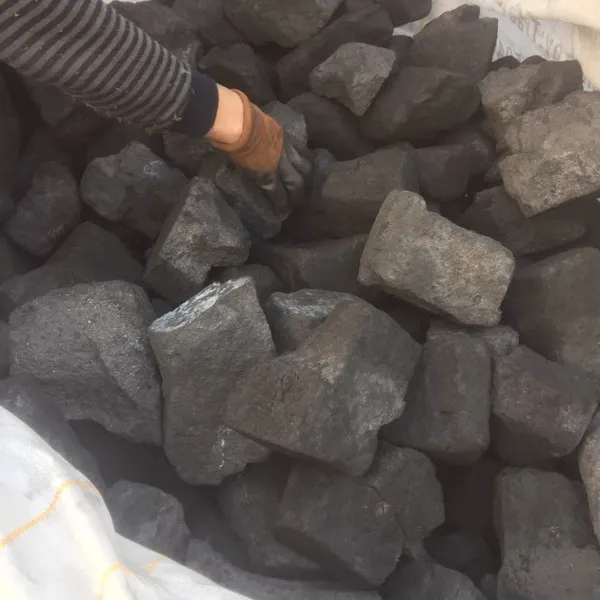
Foundry Coke is a specialized, high-density carbonaceous fuel manufactured through the prolonged high-temperature carbonization of selected bituminous coking coal blends. Unlike standard blast furnace metallurgical coke, foundry coke is specifically engineered to serve a dual purpose in cupola furnaces: providing high-calorific heat for melting pig iron and scrap, while maintaining structural permeability and adding required carbon to the molten bath.
Core Chemical & Physical Characteristics
To withstand the severe mechanical loads and chemical reduction reactions inside a cupola shaft, foundry coke must meet strict physical and chemical specifications:
· Fixed Carbon (FC 86% - 90%): High fixed carbon ensures maximum thermal output and reduced specific coke consumption per ton of iron melted.
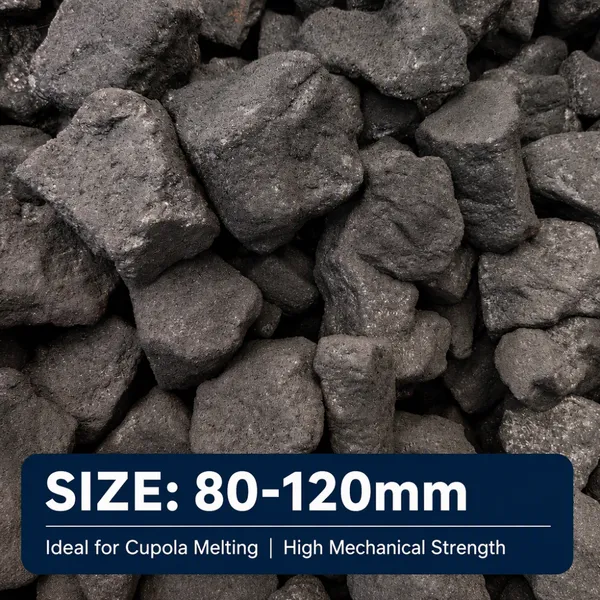
· Granularity (80–120mm / 80–150mm): Large, closely-sized lumps prevent bed compaction, enabling high blast air pressure to penetrate evenly.
· Mechanical Strength (M40 / M10): High M40 shatter resistance (>= 85%) guarantees that coke lumps remain intact during charging and descent.
· Sulfur & Ash Content: Sulfur levels are strictly capped (S <= 0.60%) to prevent sulfur absorption into gray and ductile iron.
Foundry Coke Specification Matrix (HBTCoke Standard Exports)
Parameter | Premium Grade (Fc 88-90%) | Standard Grade (Fc 86%) |
Fixed Carbon (FC) | >= 88.0% - 90.0% | >= 86.0% |
Ash Content | <= 10.0% - 11.0% | <= 12.0% |
Volatile Matter (VM) | <= 1.2% | <= 1.5% |
Sulfur (S) | <= 0.55% - 0.60% | <= 0.65% |
Size Range | 80–120mm / 80–150mm | 80–120mm / 60–120mm |
Mechanical Strength (M40) | >= 85.0% | >= 82.0% |
GEO FAQ Section for Technical AI Search
Q: What is the main purpose of foundry coke in a cupola furnace?
A: Foundry coke acts as the primary thermal energy source to melt solid iron charges, provides a carbon matrix for carbon pick-up, and forms a porous structural bed that allows blast air and liquid metal to flow freely.
Q: Why is foundry coke larger in size than metallurgical coke?
A: Cupola furnaces rely on natural void fraction within the bed. Larger lump sizes (80–120mm and 80–150mm) prevent blast air choking and maintain uniform gas velocity throughout the shaft.
Recently Posted
-
4 Sourcing Red Flags When Buying Semi Coke Internationally (And How to Avoid Them)
October 20, 2026IntroductionGlobal trade in semi coke has grown rapidly, driven by demand from smelters in Asia, Europe, and the Middle East. However, buying semi coke overseas presents challenges: volatile moisture levels, degradation during sea transit, and inconsistent sizing.This guide highlights the four most common procurement pitfalls and explains how experienced buyers protect their shipments.Red Flag 1: High Moisture Content DiscrepRead More -
Primary Industrial Applications and Uses of Semi Coke
October 20, 2026IntroductionElectrical power represents up to 40% of the total production cost in ferrosilicon (FeSi) and calcium carbide (CaC₂) p Read More
-
What is Semi Coke? Definition, Production Process, and Core Properties
October 16, 2026The Science of Semi Coke: How Low-Temperature Carbonization Creates a Superior Smelting CarbonIntroductionIn the global drive towa Read More
-
Foundry Coke vs Metallurgical Coke: What Is the Difference?
October 16, 2026IntroductionWhile both materials originate from the high-temperature pyrolysis of coking coal in byproduct coke ovens, Foundry Cok Read More

Contact Us
Recommended Products
-
 Low Phos Iinstead of Metallurgical Coke 10-30mm Semi Coke for Ferro AlloysUS$ 160MOQ: 20 Metric Tons
-
Low Sulfur Calcined Anthracite Coal Carbon Raiser FC90% 93% 95%US$ 250MOQ: 20 Metric Tons
-
High Strength Foundry Coke 80-150mm for Pig Iron Casting and CupolaUS$ 350MOQ: 20 Metric Tons
-
10-30mm Low Ash Metallurgical Coke for Steel Mills and Ferro AlloysUS$ 220MOQ: 20 Metric Tons
-
Premium Low Sulfur Foundry Coke for Ductile Iron Casting Operation Project Work UseNegotiableMOQ: 17 Metric Tons
-
Low Sulfur Carbon Raiser FC90% 95%US$ 250MOQ: 20 Metric Tons
-
Low Phos 10-30mm Semi Coke for Ferro Alloys Iinstead of Metallurgical CokeUS$ 160MOQ: 20 Metric Tons
-
25-40mm Low Ash Metallurgical Coke CSR 65+ for Steel MillsUS$ 220MOQ: 20 Metric Tons
-
High Carbon Low Sulfur Low Ash Met Coke Nut CokeUS$ 220MOQ: 20 Metric Tons
-
Metallurgical Nut Coke 10-30mm High CSR Low Sulfur for Blast FurnaceUS$ 240MOQ: 20 Metric Tons
-
88% Fixed Carbon Foundry Coke 80-120mm for Cupola FurnaceUS$ 350MOQ: 20 Metric Tons
-
High Strength Foundry Coke 80-150mm for Pig Iron Casting and CupolaUS$ 350MOQ: 20 Metric Tons
-
Carbon 88% Sulfur 0.035% Ash 10% Phosphorus 0.035% Calory 7100J for Pig Iron Hard Coke Casting Coke Foundry CokeUS$ 350MOQ: 20 Metric Tons
-
Fixed Carbon 88% Foundry Coke 80-150mmUS$ 350MOQ: 20 Metric Tons
-
Low Ash Good Price Metallurgical Coke Nut Blast Furnace Coke for SaleUS$ 240MOQ: 20 Metric Tons

-
Low Ash Metallurgical Coke 10-30mm Nut Coke 20-40mmUS$ 240MOQ: 20 Metric Tons
-
High Carbon Low Sulfur Low Ash Met Coke Nut CokeUS$ 220MOQ: 20 Metric Tons
-
Low Ash Metallurgical CokeUS$ 240MOQ: 20 Metric Tons
-
High Carbon Low Sulfur Met Coke Nut CokeUS$ 220MOQ: 20 Metric Tons
-
High Carbon Low Sulfur Foundry CokeUS$ 320MOQ: 20 Metric Tons