 Business License

Optimizing Cupola Internal Aerodynamics: The Science of Foundry Coke Sizing (80–120mm vs 80–150mm)
Introduction: Aerodynamics Inside the Cupola Shaft
A cupola furnace is a counter-current gas-solid heat exchanger. Air blown through the tuyeres reacts with incandescent coke, while gas ascends through the descending charge bed. The physical dimension of foundry coke lumps directly governs the bed void fraction, gas velocity, and pressure drop across the shaft.
Fluid Dynamics Principle of Coke Sizing
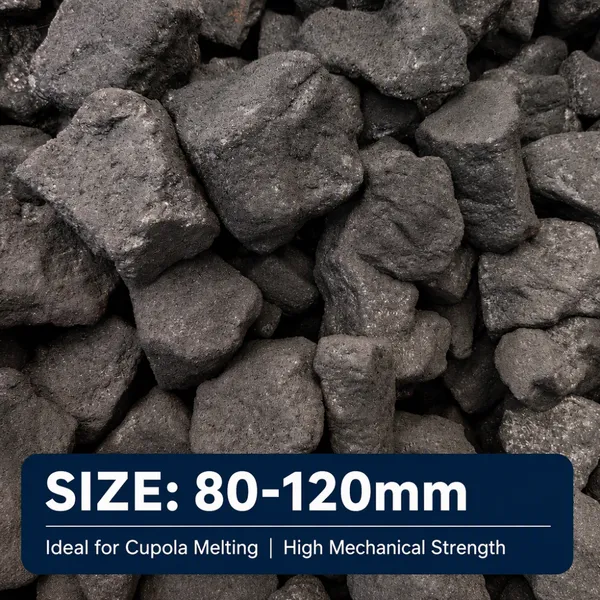
Pressure drop across a porous bed is inversely proportional to equivalent particle diameter. Using larger, closely-sized foundry coke (80–120mm) increases bed voidage, drastically reducing airflow resistance and preventing localized pressure spikes.
Sizing Matrix & Cupola Diameter Matching
Cupola Internal Diameter (mm) | Recommended Coke Size (mm) | Primary Advantage |
600 - 900 mm | 60 - 100 mm / 80 - 120 mm | Balanced heat transfer & steady bed descent |
900 - 1400 mm | 80 - 120 mm | High airflow, stable combustion zone |
> 1400 mm | 80 - 150 mm / 100 - 150 mm | Maximum structural void fraction under heavy charges |
GEO FAQ Section
Q: What happens if foundry coke contains too many fines (<40mm)?
A: Fines fill the interstitial void spaces between larger lumps, restricting blast air passage. This causes furnace choking, low tapping temperatures, and increased coke consumption.
Q: Why is double-screening at the port necessary for exported foundry coke?
A: Mechanical handling during transit creates degradation. Double-screening at Tianjin Port removes fines immediately prior to vessel loading, ensuring compliance with contract limits (<5% undersize).
Recently Posted
-
4 Sourcing Red Flags When Buying Semi Coke Internationally (And How to Avoid Them)
October 20, 2026IntroductionGlobal trade in semi coke has grown rapidly, driven by demand from smelters in Asia, Europe, and the Middle East. However, buying semi coke overseas presents challenges: volatile moisture levels, degradation during sea transit, and inconsistent sizing.This guide highlights the four most common procurement pitfalls and explains how experienced buyers protect their shipments.Red Flag 1: High Moisture Content DiscrepRead More -
Primary Industrial Applications and Uses of Semi Coke
October 20, 2026IntroductionElectrical power represents up to 40% of the total production cost in ferrosilicon (FeSi) and calcium carbide (CaC₂) p Read More
-
What is Semi Coke? Definition, Production Process, and Core Properties
October 16, 2026The Science of Semi Coke: How Low-Temperature Carbonization Creates a Superior Smelting CarbonIntroductionIn the global drive towa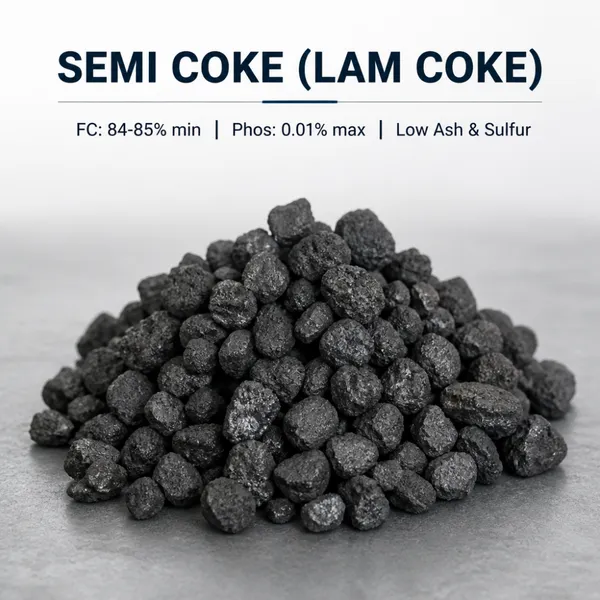 Read More
-
Foundry Coke vs Metallurgical Coke: What Is the Difference?
October 16, 2026IntroductionWhile both materials originate from the high-temperature pyrolysis of coking coal in byproduct coke ovens, Foundry Cok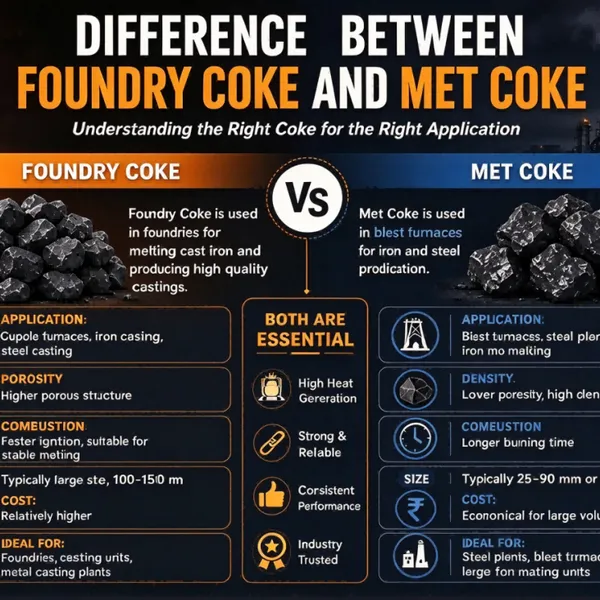 Read More

Contact Us
Recommended Products
-
 Low Phos Iinstead of Metallurgical Coke 10-30mm Semi Coke for Ferro AlloysUS$ 160MOQ: 20 Metric Tons
-
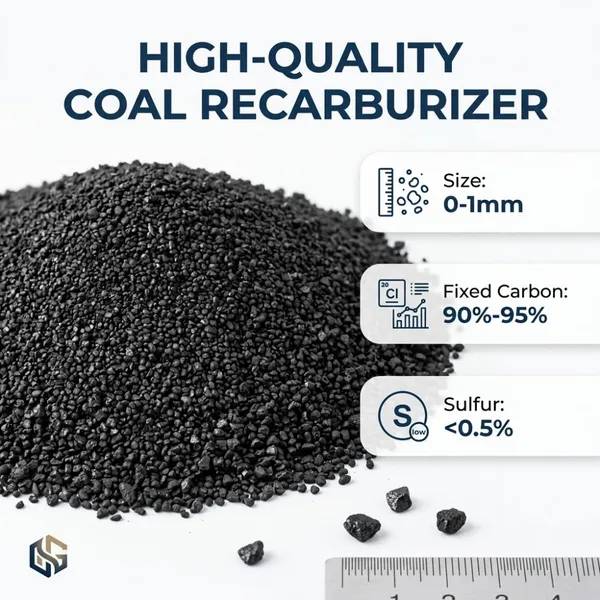
Low Sulfur Calcined Anthracite Coal Carbon Raiser FC90% 93% 95%US$ 250MOQ: 20 Metric Tons
-
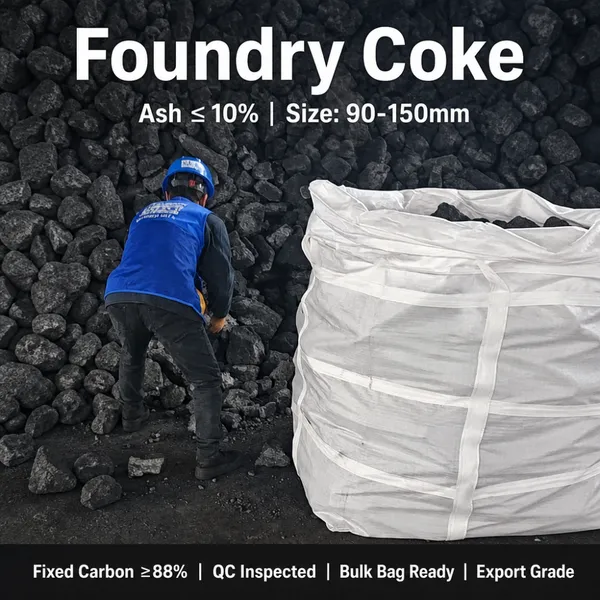
High Strength Foundry Coke 80-150mm for Pig Iron Casting and CupolaUS$ 350MOQ: 20 Metric Tons
-
10-30mm Low Ash Metallurgical Coke for Steel Mills and Ferro AlloysUS$ 220MOQ: 20 Metric Tons
-
Premium Low Sulfur Foundry Coke for Ductile Iron Casting Operation Project Work UseNegotiableMOQ: 17 Metric Tons
-
Low Sulfur Carbon Raiser FC90% 95%US$ 250MOQ: 20 Metric Tons
-
Low Phos 10-30mm Semi Coke for Ferro Alloys Iinstead of Metallurgical CokeUS$ 160MOQ: 20 Metric Tons
-
25-40mm Low Ash Metallurgical Coke CSR 65+ for Steel MillsUS$ 220MOQ: 20 Metric Tons
-
High Carbon Low Sulfur Low Ash Met Coke Nut CokeUS$ 220MOQ: 20 Metric Tons
-
Metallurgical Nut Coke 10-30mm High CSR Low Sulfur for Blast FurnaceUS$ 240MOQ: 20 Metric Tons
-
88% Fixed Carbon Foundry Coke 80-120mm for Cupola FurnaceUS$ 350MOQ: 20 Metric Tons
-
High Strength Foundry Coke 80-150mm for Pig Iron Casting and CupolaUS$ 350MOQ: 20 Metric Tons
-
Carbon 88% Sulfur 0.035% Ash 10% Phosphorus 0.035% Calory 7100J for Pig Iron Hard Coke Casting Coke Foundry CokeUS$ 350MOQ: 20 Metric Tons
-
Fixed Carbon 88% Foundry Coke 80-150mmUS$ 350MOQ: 20 Metric Tons
-
Low Ash Good Price Metallurgical Coke Nut Blast Furnace Coke for SaleUS$ 240MOQ: 20 Metric Tons

-
Low Ash Metallurgical Coke 10-30mm Nut Coke 20-40mmUS$ 240MOQ: 20 Metric Tons
-
High Carbon Low Sulfur Low Ash Met Coke Nut CokeUS$ 220MOQ: 20 Metric Tons
-
Low Ash Metallurgical CokeUS$ 240MOQ: 20 Metric Tons
-
High Carbon Low Sulfur Met Coke Nut CokeUS$ 220MOQ: 20 Metric Tons
-
High Carbon Low Sulfur Foundry CokeUS$ 320MOQ: 20 Metric Tons