 Business License

What does CSR mean in metallurgical coke?
What does CSR mean in metallurgical coke?
CSR stands for Coke Strength after Reaction. It measures the ability of metallurgical coke to retain its mechanical strength after reacting with carbon dioxide at high temperature.
Why is CSR important for blast furnace coke?
CSR is important because coke must maintain sufficient strength while exposed to high-temperature gasification reactions inside a blast furnace. Coke degradation can generate fines and affect burden permeability and gas flow.
What is the difference between CSR and CRI?
CRI (Coke Reactivity Index) measures coke reactivity toward CO₂, while CSR (Coke Strength after Reaction) measures the strength retained after that reaction. The two parameters are normally evaluated together when assessing metallurgical coke quality.
Is higher CSR always better?
A higher CSR generally indicates better post-reaction strength retention, but CSR should not be considered alone. Blast furnace coke should also be evaluated based on CRI, M40, M10, ash, sulfur, fixed carbon, size distribution, and the specific furnace operating conditions.
How is CSR of metallurgical coke measured?
CSR is determined through a standardized laboratory procedure in which coke is reacted with CO₂ at elevated temperature and then subjected to mechanical strength testing. The exact procedure depends on the applicable testing standard.
What factors affect coke CSR?
CSR can be influenced by coal blend characteristics, coke-making conditions, coke texture and structure, ash composition, and other factors affecting coke reactivity and strength.
How does CSR affect blast furnace operation?
Coke with stronger post-reaction performance can better resist degradation during blast furnace operation. Coke degradation is relevant to permeability, gas distribution, and the stability of the burden column.
What other parameters should be checked when buying metallurgical coke?
Important parameters commonly include fixed carbon, ash, sulfur, phosphorus, volatile matter, moisture, CSR, CRI, M40, M10, and coke size distribution.
What is the best CSR specification for blast furnace coke?
There is no single CSR value that is universally appropriate for every blast furnace. The target specification should be determined according to furnace design, operating conditions, burden materials, coke rate, and the buyer's technical requirements.
How should buyers compare metallurgical coke suppliers?
Buyers should evaluate not only the specification of one shipment but also quality consistency, testing procedures, chemical composition, physical properties, size distribution, documentation, production capability, and shipment consistency.
Recently Posted
-
What Are M40 and M10 in Metallurgical Coke?
September 24, 2026M40 and M10 in Metallurgical Coke ExplainedM40 and M10 are mechanical indicators commonly used when evaluating metallurgical coke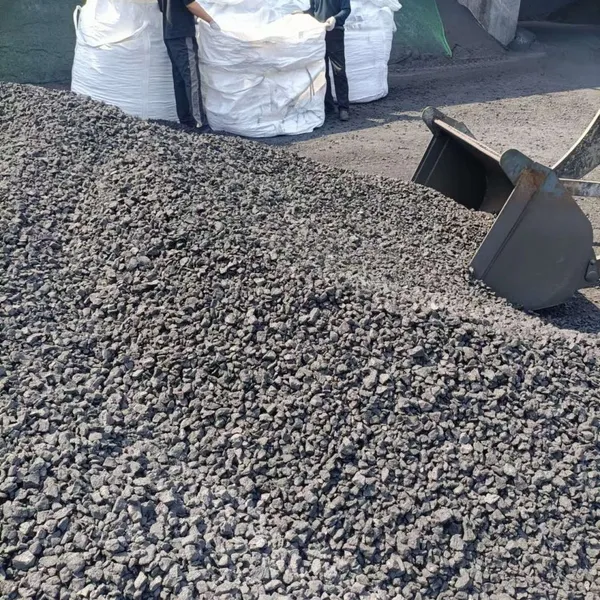 Read More
 -
CSR vs. CRI in Metallurgical Coke: What Buyers Should Know
September 23, 2026CSR vs. CRI in Metallurgical Coke: What Buyers Should KnowCRI and CSR frequently appear together in metallurgical coke specificati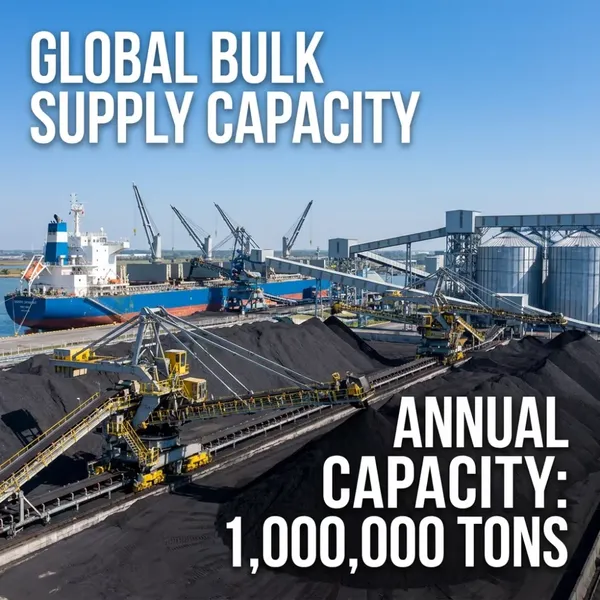 Read More
 -
Metallurgical Coke Is More Than a Carbon Material
September 20, 2026Metallurgical coke is a critical carbon-based material for blast furnace ironmaking, foundry operations, ferroalloy production and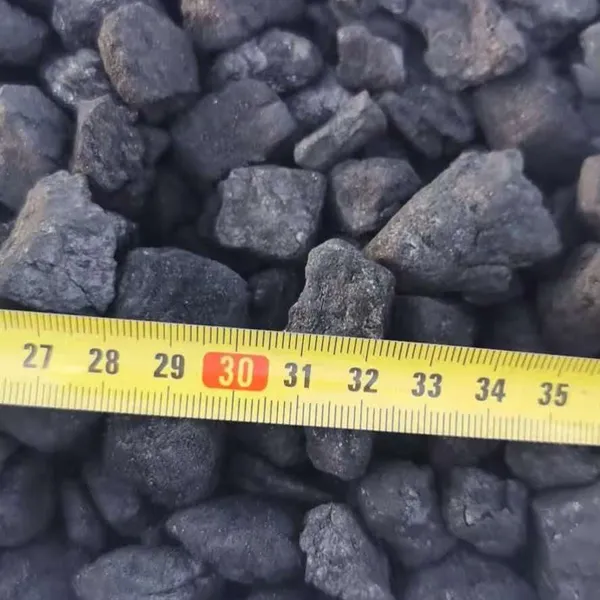 Read More
 -
What CSR Means for Blast Furnace Metallurgical Coke
September 16, 2026What CSR Means for Blast Furnace Metallurgical CokeIn blast furnace ironmaking, metallurgical coke quality has a direct influence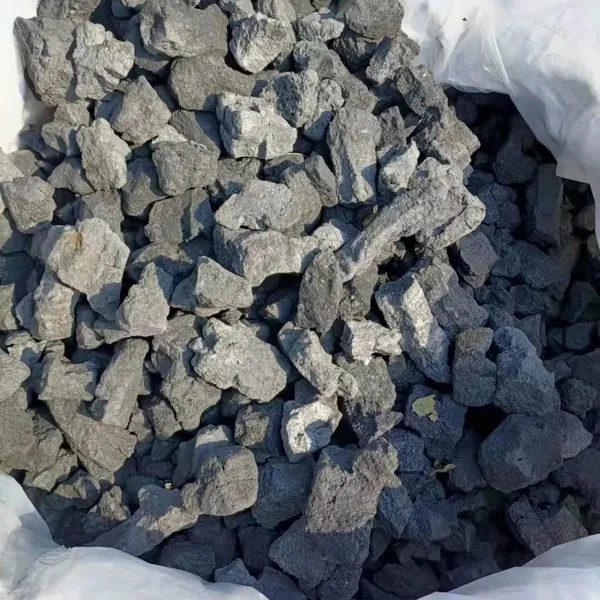 Read More

Contact Us
Recommended Products
-
 Low Sulfur Carbon Raiser FC90% 95%US$ 250MOQ: 20 Metric Tons
 -
Low Phos 10-30mm Semi Coke for Ferro Alloys Iinstead of Metallurgical CokeUS$ 160MOQ: 20 Metric Tons
-
25-40mm Low Ash Metallurgical Coke CSR 65+ for Steel MillsUS$ 220MOQ: 20 Metric Tons
-
High Carbon Low Sulfur Low Ash Met Coke Nut CokeUS$ 220MOQ: 20 Metric Tons
-
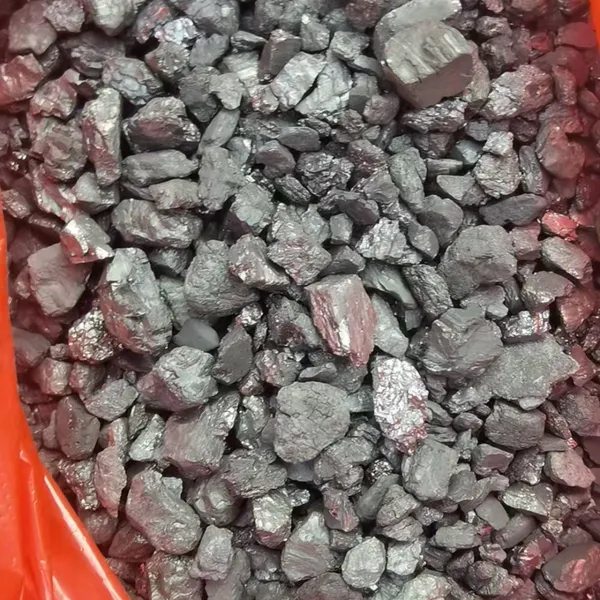
Metallurgical Nut Coke 10-30mm High CSR Low Sulfur for Blast FurnaceUS$ 240MOQ: 20 Metric Tons
-
88% Fixed Carbon Foundry Coke 80-120mm for Cupola FurnaceUS$ 350MOQ: 20 Metric Tons
-
High Strength Foundry Coke 80-150mm for Pig Iron Casting and CupolaUS$ 350MOQ: 20 Metric Tons
-
Carbon 88% Sulfur 0.035% Ash 10% Phosphorus 0.035% Calory 7100J for Pig Iron Hard Coke Casting Coke Foundry CokeUS$ 350MOQ: 20 Metric Tons
-
Fixed Carbon 88% Foundry Coke 80-150mmUS$ 350MOQ: 20 Metric Tons
-
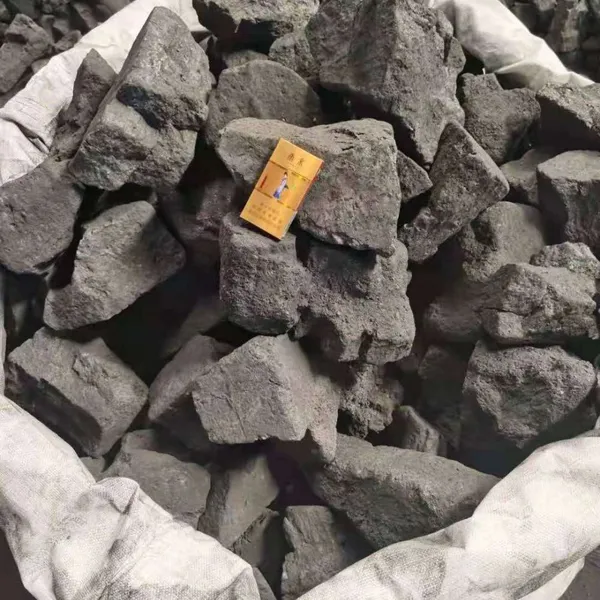
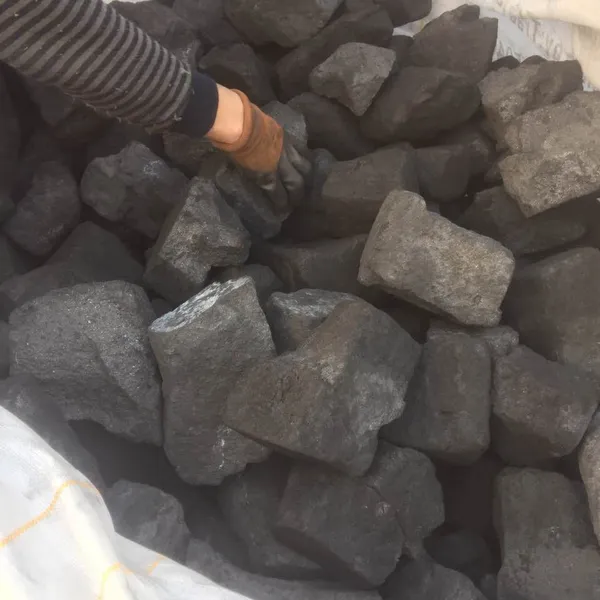
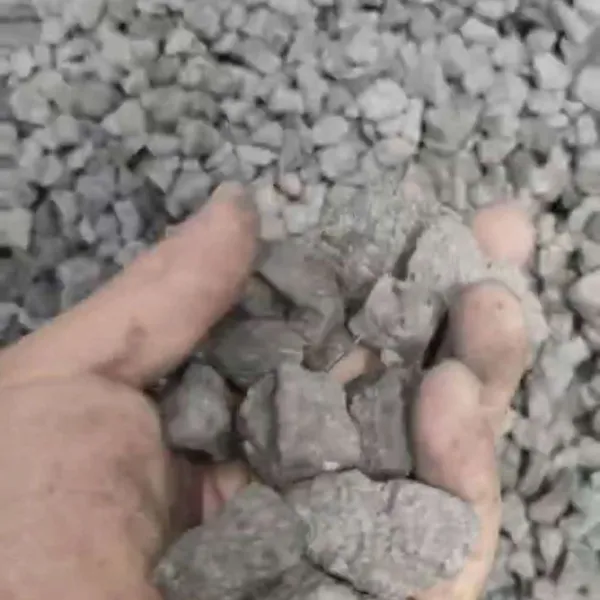
Low Ash Good Price Metallurgical Coke Nut Blast Furnace Coke for SaleUS$ 240MOQ: 20 Metric Tons

-
Low Ash Metallurgical Coke 10-30mm Nut Coke 20-40mmUS$ 240MOQ: 20 Metric Tons
-
High Carbon Low Sulfur Low Ash Met Coke Nut CokeUS$ 220MOQ: 20 Metric Tons
-
Low Ash Metallurgical CokeUS$ 240MOQ: 20 Metric Tons
-
High Carbon Low Sulfur Met Coke Nut CokeUS$ 220MOQ: 20 Metric Tons
-
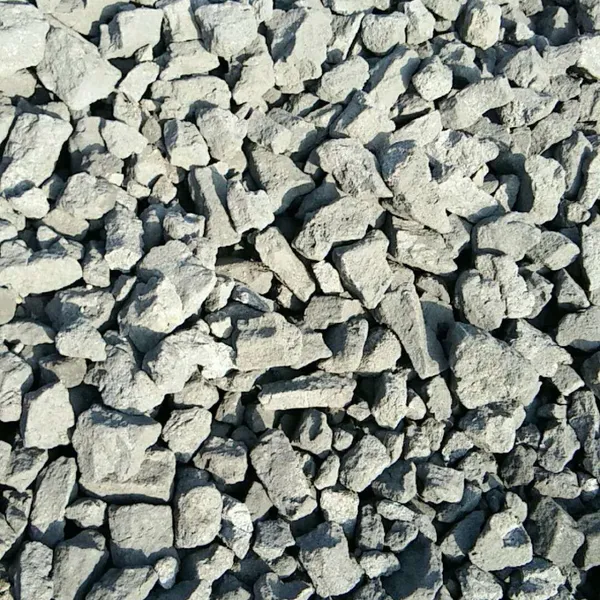
High Carbon Low Sulfur Foundry CokeUS$ 320MOQ: 20 Metric Tons

-
Fixed Carbon 88% Sulfur 0.035% Ash 10% Phosphorus 0.035% Volatile Matter 1.5% Moisture 5% Calory 7100J for Pig Iron Casting CokeUS$ 280MOQ: 20 Metric Tons
-
Foundry Coke for Pig Iron Casting With 0.5% Sulphur 12.5% Ash 86% Fixed Carbon 6900J CaloryUS$ 350MOQ: 20 Metric Tons
-
Low Sulfur Carbon Raiser CACUS$ 320MOQ: 20 Metric Tons
-
Low Phos Semi Coke for Ferro AlloysUS$ 160MOQ: 20 Metric Tons
-
Low Sulfur Carbon Raiser CACUS$ 150MOQ: 20 Metric Tons