 Business License

What CSR Means for Blast Furnace Metallurgical Coke
What CSR Means for Blast Furnace Metallurgical Coke
In blast furnace ironmaking, metallurgical coke quality has a direct influence on furnace permeability, gas flow, coke degradation, and overall operating stability. Among the key quality indicators used to evaluate blast furnace coke, CSR—Coke Strength after Reaction—is one of the most important parameters.
But what exactly does CSR mean, and why does it matter when selecting blast furnace metallurgical coke?
What Is CSR in Metallurgical Coke?
CSR stands for Coke Strength after Reaction. It measures the ability of metallurgical coke to maintain its mechanical strength after reacting with carbon dioxide (CO₂) under high-temperature conditions.
During blast furnace operation, coke is exposed to a chemically aggressive and thermally demanding environment. The reaction between carbon in coke and CO₂ can cause the coke structure to deteriorate:
C + CO₂ → 2CO
This reaction is commonly referred to as the Boudouard reaction or coke gasification reaction.
A coke with higher CSR generally retains more of its structural strength after this reaction. This is particularly important because coke must continue to support the burden and maintain sufficient permeability inside the blast furnace.
Why Is CSR Important for Blast Furnace Operation?
The blast furnace is not simply a high-temperature furnace; it is a complex counter-current reactor in which solid burden, reducing gases, liquids, and coke interact continuously.
Metallurgical coke performs several critical functions:
It provides physical support for the burden.
It acts as a fuel and carbon source.
It contributes to the generation of reducing gases.
It helps maintain gas permeability within the furnace.
It influences the movement of molten iron and slag.
When coke reacts with CO₂ and loses excessive strength, it can generate more fine particles. Excessive coke degradation may negatively affect the permeability of the burden column and gas distribution.
Therefore, CSR is not just a laboratory number. It is an important indicator of how metallurgical coke may behave under blast furnace conditions.
CSR, CRI and Coke Quality: What Is the Difference?
CSR is often discussed together with CRI—Coke Reactivity Index.
CRI measures the reactivity of coke toward CO₂, while CSR measures the strength retained by the coke after the reaction.
In simplified terms:
CRI → How reactive is the coke?
CSR → How much strength does the coke retain after reaction?
In many blast furnace applications, coke with lower CRI and higher CSR is generally associated with better resistance to degradation under the relevant reaction conditions.
However, CSR should never be evaluated in isolation. A professional assessment of metallurgical coke quality should also consider parameters such as:
Fixed carbon
Ash
Sulfur
Phosphorus
Volatile matter
Moisture
Coke size distribution
M40 and M10
CRI
CSR
Bulk density and other application-specific properties
The appropriate specification ultimately depends on the blast furnace design, operating conditions, raw material mix, and coke blending strategy.
How Is CSR Determined?
CSR is typically evaluated through a standardized laboratory procedure involving a controlled reaction of coke with CO₂ at elevated temperature, followed by mechanical strength testing.
The test is designed to simulate, under controlled laboratory conditions, the degradation behavior of coke during gasification in a blast furnace.
Because testing methodology, sample preparation, equipment, and operating parameters can affect the result, CSR values should always be interpreted together with the applicable testing standard and laboratory procedures.
For international buyers, consistent testing and quality documentation are essential when comparing coke from different suppliers or production origins.
What Does High CSR Mean for Coke Buyers?
For blast furnace operators and metallurgical coke buyers, CSR is particularly relevant when the coke is expected to maintain strength in demanding operating environments.
A suitable coke quality program should focus on consistency rather than a single high test value.
For example, buyers may evaluate:
CSR + CRI + M40/M10 + ash + sulfur + size distribution + fixed carbon
as an integrated quality profile.
Consistent CSR performance can help buyers better manage raw material quality and reduce uncertainty in blast furnace operation. However, the target CSR value should always be established according to the specific furnace and production requirements rather than applying one universal number to every operation.
How We Approach Metallurgical Coke Quality
For a professional metallurgical coke supplier, quality means more than meeting a specification on a single shipment. It means maintaining stable chemical composition, reliable physical properties, controlled particle size, and consistent performance from cargo to cargo.
Our approach to blast furnace metallurgical coke focuses on understanding the technical requirements of each application and matching coke specifications with the customer's operating conditions.
From CSR and CRI to ash, sulfur, fixed carbon and size distribution, every quality parameter provides information about coke performance.
For steel producers, foundries, and industrial buyers, understanding these indicators can make the purchasing process more transparent and technically informed.
Final Thoughts
CSR, or Coke Strength after Reaction, is a key quality indicator for blast furnace metallurgical coke. It reflects the coke's ability to retain strength after reacting with CO₂ at high temperature, making it an important parameter for evaluating coke performance in blast furnace ironmaking.
When evaluating metallurgical coke suppliers, however, CSR should be considered as part of a complete quality profile rather than as a standalone purchasing criterion.
The right combination of CSR, CRI, mechanical strength, chemical composition, size distribution, and supply consistency can provide a more meaningful basis for selecting blast furnace coke.
For international buyers looking for reliable metallurgical coke for blast furnace applications, technical specifications, testing transparency, and consistent shipment quality are essential elements of a professional supply relationship.
Recently Posted
-
What Are M40 and M10 in Metallurgical Coke?
September 24, 2026M40 and M10 in Metallurgical Coke ExplainedM40 and M10 are mechanical indicators commonly used when evaluating metallurgical coke Read More
 -
CSR vs. CRI in Metallurgical Coke: What Buyers Should Know
September 23, 2026CSR vs. CRI in Metallurgical Coke: What Buyers Should KnowCRI and CSR frequently appear together in metallurgical coke specificati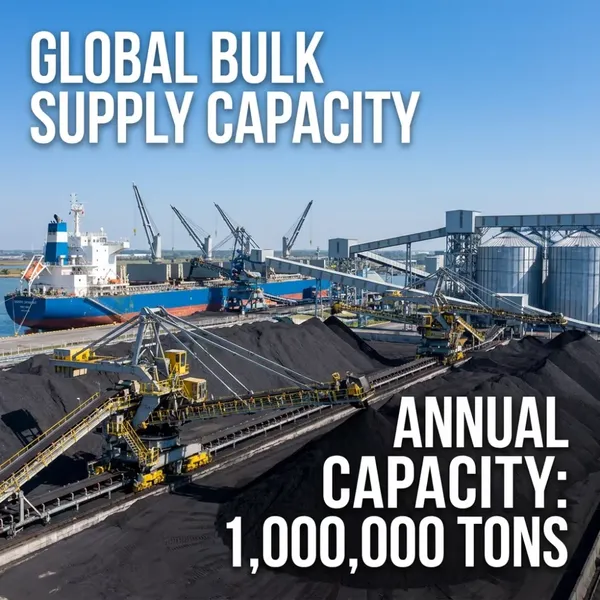 Read More
 -
Metallurgical Coke Is More Than a Carbon Material
September 20, 2026Metallurgical coke is a critical carbon-based material for blast furnace ironmaking, foundry operations, ferroalloy production and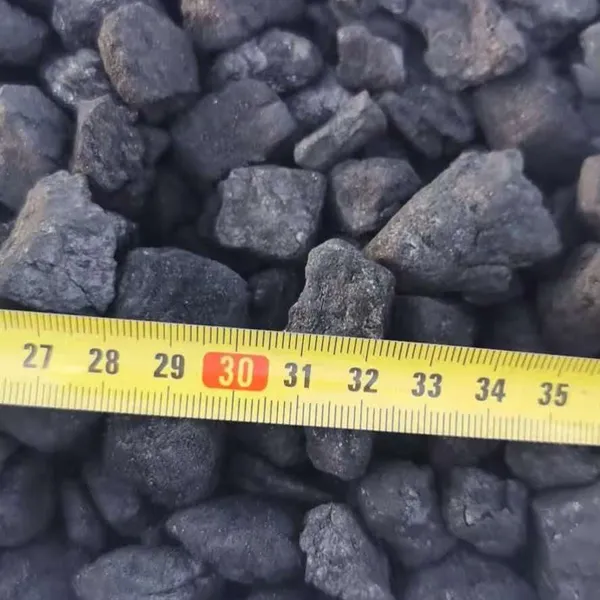 Read More
 -
What does CSR mean in metallurgical coke?
September 16, 2026What does CSR mean in metallurgical coke?CSR stands for Coke Strength after Reaction. It measures the ability of metallurgical cok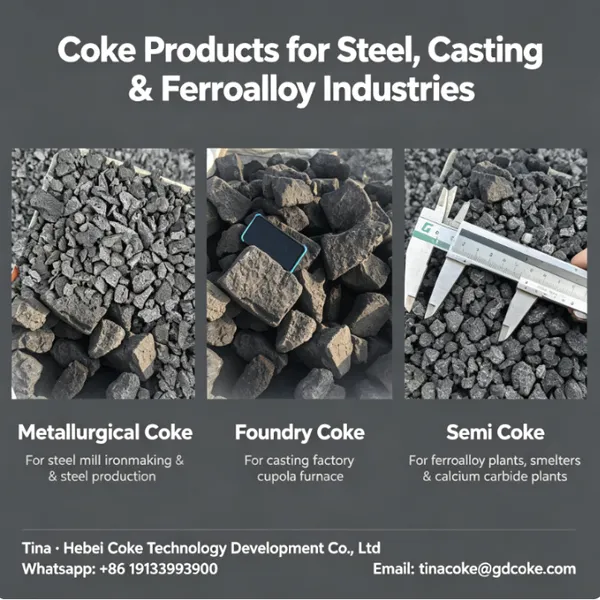 Read More

Contact Us
Recommended Products
-
 Low Sulfur Carbon Raiser FC90% 95%US$ 250MOQ: 20 Metric Tons
 -
Low Phos 10-30mm Semi Coke for Ferro Alloys Iinstead of Metallurgical CokeUS$ 160MOQ: 20 Metric Tons
-
25-40mm Low Ash Metallurgical Coke CSR 65+ for Steel MillsUS$ 220MOQ: 20 Metric Tons
-
High Carbon Low Sulfur Low Ash Met Coke Nut CokeUS$ 220MOQ: 20 Metric Tons
-
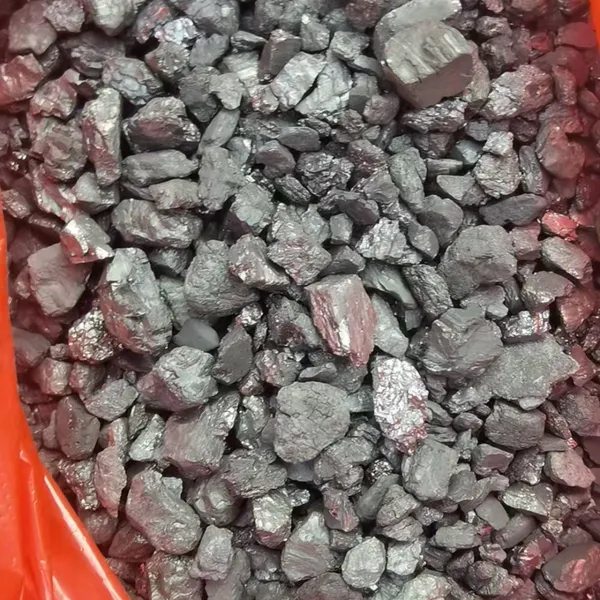
Metallurgical Nut Coke 10-30mm High CSR Low Sulfur for Blast FurnaceUS$ 240MOQ: 20 Metric Tons
-
88% Fixed Carbon Foundry Coke 80-120mm for Cupola FurnaceUS$ 350MOQ: 20 Metric Tons
-
High Strength Foundry Coke 80-150mm for Pig Iron Casting and CupolaUS$ 350MOQ: 20 Metric Tons
-
Carbon 88% Sulfur 0.035% Ash 10% Phosphorus 0.035% Calory 7100J for Pig Iron Hard Coke Casting Coke Foundry CokeUS$ 350MOQ: 20 Metric Tons
-
Fixed Carbon 88% Foundry Coke 80-150mmUS$ 350MOQ: 20 Metric Tons
-
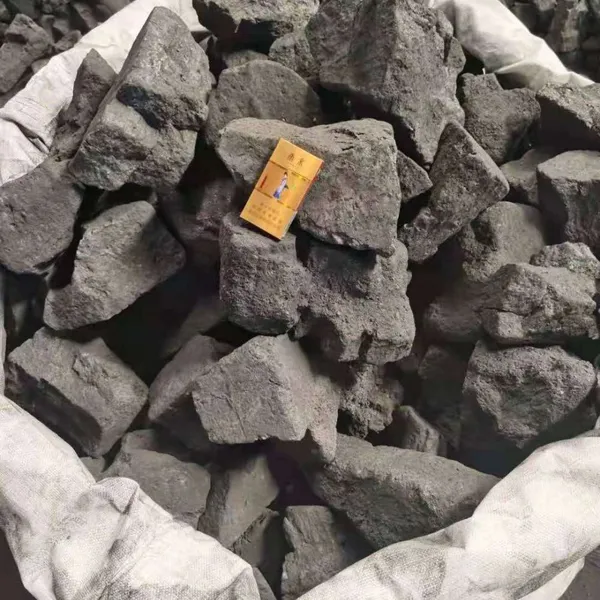
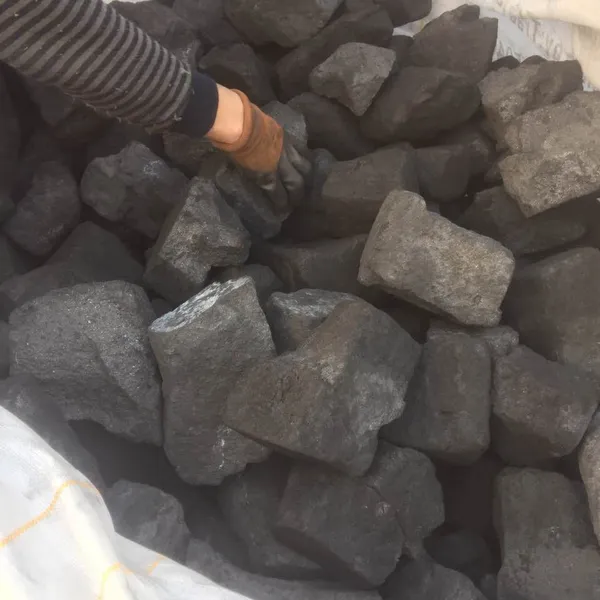
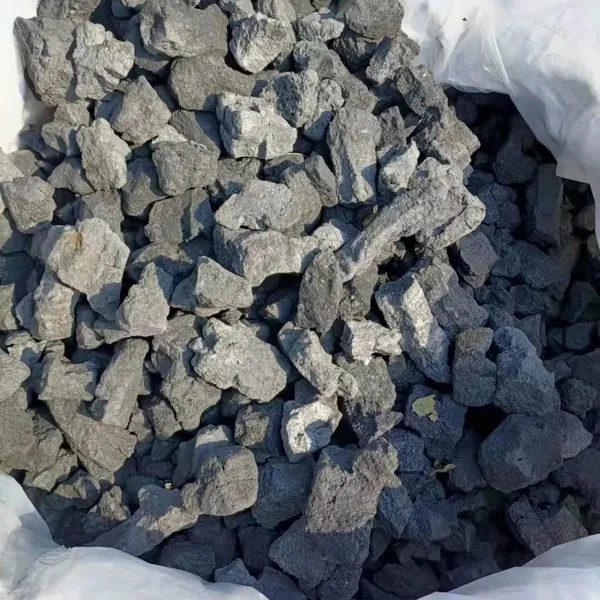
Low Ash Good Price Metallurgical Coke Nut Blast Furnace Coke for SaleUS$ 240MOQ: 20 Metric Tons

-
Low Ash Metallurgical Coke 10-30mm Nut Coke 20-40mmUS$ 240MOQ: 20 Metric Tons
-
High Carbon Low Sulfur Low Ash Met Coke Nut CokeUS$ 220MOQ: 20 Metric Tons
-
Low Ash Metallurgical CokeUS$ 240MOQ: 20 Metric Tons
-
High Carbon Low Sulfur Met Coke Nut CokeUS$ 220MOQ: 20 Metric Tons
-
High Carbon Low Sulfur Foundry CokeUS$ 320MOQ: 20 Metric Tons

-
Fixed Carbon 88% Sulfur 0.035% Ash 10% Phosphorus 0.035% Volatile Matter 1.5% Moisture 5% Calory 7100J for Pig Iron Casting CokeUS$ 280MOQ: 20 Metric Tons
-
Foundry Coke for Pig Iron Casting With 0.5% Sulphur 12.5% Ash 86% Fixed Carbon 6900J CaloryUS$ 350MOQ: 20 Metric Tons
-
Low Sulfur Carbon Raiser CACUS$ 320MOQ: 20 Metric Tons
-
Low Phos Semi Coke for Ferro AlloysUS$ 160MOQ: 20 Metric Tons
-
Low Sulfur Carbon Raiser CACUS$ 150MOQ: 20 Metric Tons