 Business License

Metallurgical Coke vs Semi-Coke: Which Carbon Material Fits Your Process?
In metallurgy, carbon material selection is not simply about price — it is about matching the material to the furnace, reaction conditions and final product requirements.
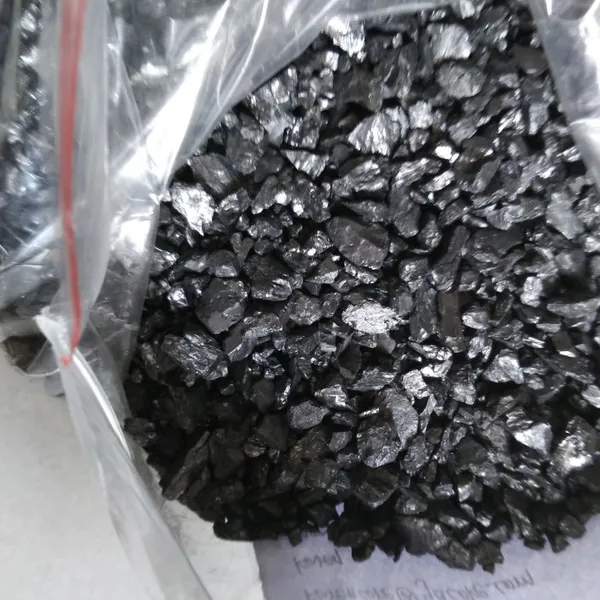
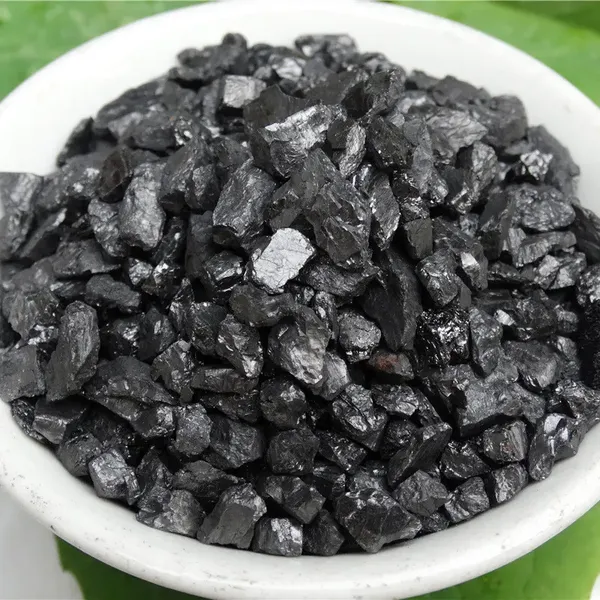
Two commonly used carbon materials are Semi-Coke (Lan Tan / Blue Charcoal) and Metallurgical Coke. Although both provide carbon and can serve as reducing agents, their production processes, physical properties and industrial applications are different.
🔹 Semi-Coke / Lan Tan
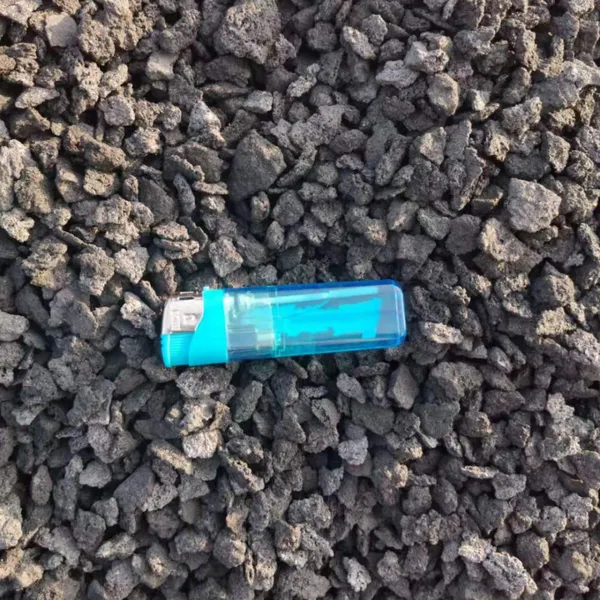
Semi-coke is produced through relatively low-temperature carbonization of coal. Its typical characteristics include:
• High fixed carbon
• High electrical resistivity
• Developed pore structure
• High chemical reactivity
• Low sulfur and phosphorus grades available
• Suitable for electric-furnace applications
Typical applications include:
Ferroalloy production | Calcium carbide | Silicon metal | Chemical processing | Other electric-furnace applications
🔹 Metallurgical Coke
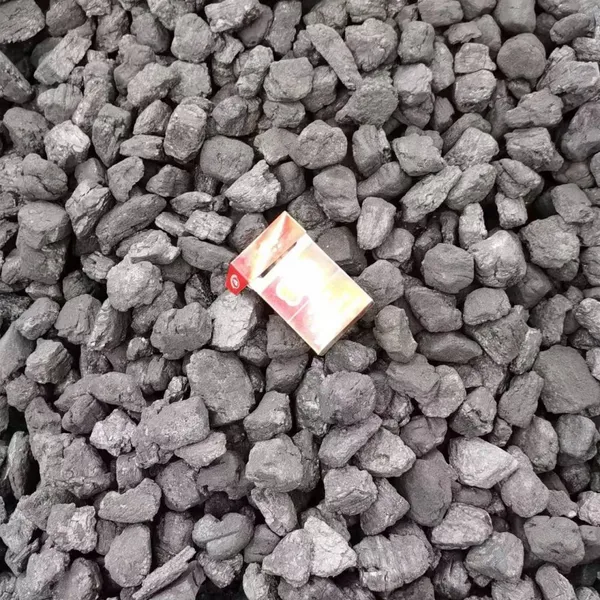
Metallurgical coke is produced through high-temperature coking of selected coal blends. Its structure and mechanical strength are critical for applications where coke must support the burden and maintain permeability under demanding blast-furnace conditions.
Typical applications include:
Blast furnace ironmaking | Iron & steel production | Foundry applications
The key is application fit.
Semi-coke and metallurgical coke are not simply interchangeable products. Furnace design, electrical resistance, reactivity, ash, sulfur, phosphorus, particle size and mechanical strength all need to be considered.
For ferroalloy and calcium carbide producers, semi-coke may provide useful electrical and chemical characteristics. For blast-furnace ironmaking, metallurgical coke plays a critical structural and reducing role.
Looking for the right carbon material for your production process?
Talk to our technical team about Semi-Coke, Metallurgical Coke, particle size, chemical specifications and customized supply solutions.
#SemiCoke #LanTan #BlueCharcoal #MetallurgicalCoke #Ferroalloy #CalciumCarbide #SiliconMetal #Steelmaking #Ironmaking #CarbonMaterials #Metallurgy #IndustrialRawMaterials
Recently Posted
-
What Are M40 and M10 in Metallurgical Coke?
September 24, 2026M40 and M10 in Metallurgical Coke ExplainedM40 and M10 are mechanical indicators commonly used when evaluating metallurgical coke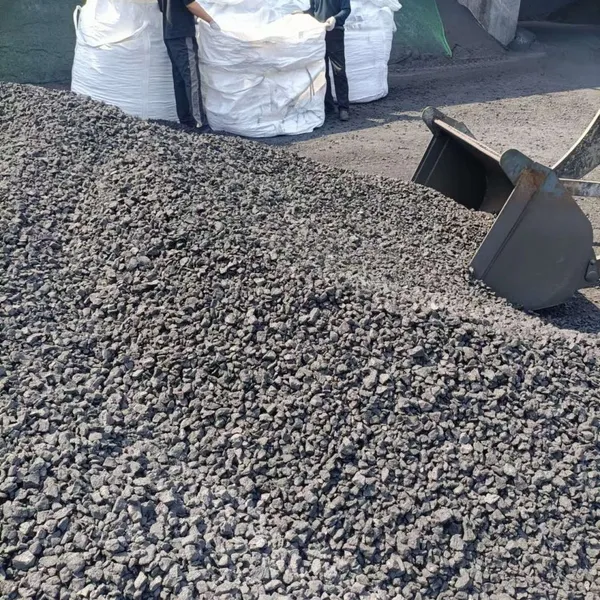 Read More
 -
CSR vs. CRI in Metallurgical Coke: What Buyers Should Know
September 23, 2026CSR vs. CRI in Metallurgical Coke: What Buyers Should KnowCRI and CSR frequently appear together in metallurgical coke specificati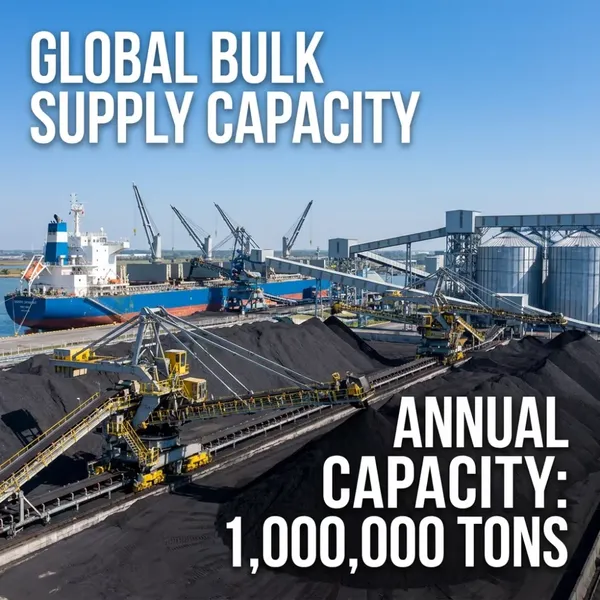 Read More
 -
Metallurgical Coke Is More Than a Carbon Material
September 20, 2026Metallurgical coke is a critical carbon-based material for blast furnace ironmaking, foundry operations, ferroalloy production and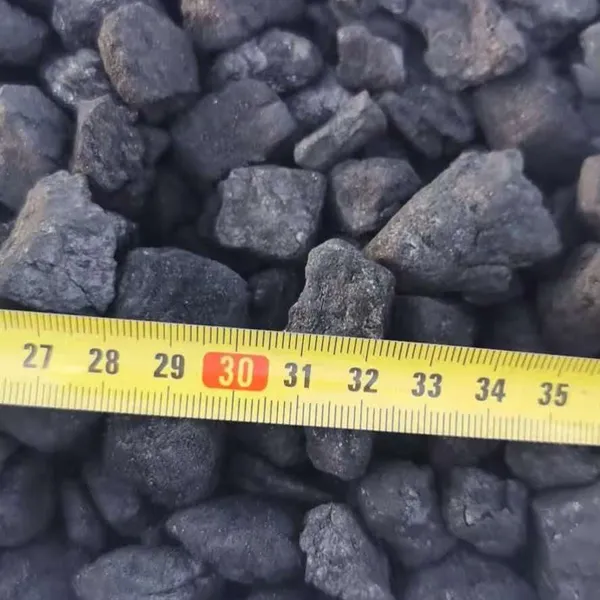 Read More
 -
What CSR Means for Blast Furnace Metallurgical Coke
September 16, 2026What CSR Means for Blast Furnace Metallurgical CokeIn blast furnace ironmaking, metallurgical coke quality has a direct influence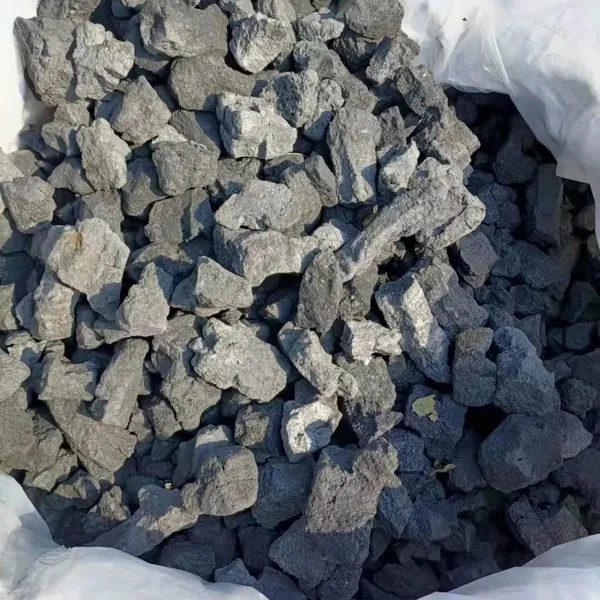 Read More

Contact Us
Recommended Products
-
 Low Sulfur Carbon Raiser FC90% 95%US$ 250MOQ: 20 Metric Tons
 -
Low Phos 10-30mm Semi Coke for Ferro Alloys Iinstead of Metallurgical CokeUS$ 160MOQ: 20 Metric Tons
-
25-40mm Low Ash Metallurgical Coke CSR 65+ for Steel MillsUS$ 220MOQ: 20 Metric Tons
-
High Carbon Low Sulfur Low Ash Met Coke Nut CokeUS$ 220MOQ: 20 Metric Tons
-
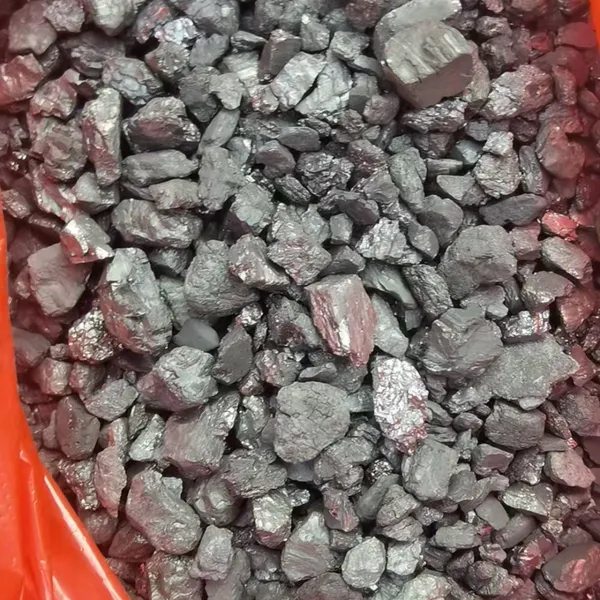
Metallurgical Nut Coke 10-30mm High CSR Low Sulfur for Blast FurnaceUS$ 240MOQ: 20 Metric Tons
-
88% Fixed Carbon Foundry Coke 80-120mm for Cupola FurnaceUS$ 350MOQ: 20 Metric Tons
-
High Strength Foundry Coke 80-150mm for Pig Iron Casting and CupolaUS$ 350MOQ: 20 Metric Tons
-
Carbon 88% Sulfur 0.035% Ash 10% Phosphorus 0.035% Calory 7100J for Pig Iron Hard Coke Casting Coke Foundry CokeUS$ 350MOQ: 20 Metric Tons
-
Fixed Carbon 88% Foundry Coke 80-150mmUS$ 350MOQ: 20 Metric Tons
-
Low Ash Good Price Metallurgical Coke Nut Blast Furnace Coke for SaleUS$ 240MOQ: 20 Metric Tons

-
Low Ash Metallurgical Coke 10-30mm Nut Coke 20-40mmUS$ 240MOQ: 20 Metric Tons
-
High Carbon Low Sulfur Low Ash Met Coke Nut CokeUS$ 220MOQ: 20 Metric Tons
-
Low Ash Metallurgical CokeUS$ 240MOQ: 20 Metric Tons
-
High Carbon Low Sulfur Met Coke Nut CokeUS$ 220MOQ: 20 Metric Tons
-
High Carbon Low Sulfur Foundry CokeUS$ 320MOQ: 20 Metric Tons

-
Fixed Carbon 88% Sulfur 0.035% Ash 10% Phosphorus 0.035% Volatile Matter 1.5% Moisture 5% Calory 7100J for Pig Iron Casting CokeUS$ 280MOQ: 20 Metric Tons
-
Foundry Coke for Pig Iron Casting With 0.5% Sulphur 12.5% Ash 86% Fixed Carbon 6900J CaloryUS$ 350MOQ: 20 Metric Tons
-
Low Sulfur Carbon Raiser CACUS$ 320MOQ: 20 Metric Tons
-
Low Phos Semi Coke for Ferro AlloysUS$ 160MOQ: 20 Metric Tons
-
Low Sulfur Carbon Raiser CACUS$ 150MOQ: 20 Metric Tons